Recombinant Mouse CD160 antigen (Cd160)
-
中文名稱:Recombinant Mouse CD160 antigen(Cd160)
-
貨號:CSB-YP004881MO
-
規(guī)格:
-
來源:Yeast
-
其他:
-
中文名稱:Recombinant Mouse CD160 antigen(Cd160)
-
貨號:CSB-EP004881MO
-
規(guī)格:
-
來源:E.coli
-
其他:
-
中文名稱:Recombinant Mouse CD160 antigen(Cd160)
-
貨號:CSB-EP004881MO-B
-
規(guī)格:
-
來源:E.coli
-
共軛:Avi-tag Biotinylated
E. coli biotin ligase (BirA) is highly specific in covalently attaching biotin to the 15 amino acid AviTag peptide. This recombinant protein was biotinylated in vivo by AviTag-BirA technology, which method is BriA catalyzes amide linkage between the biotin and the specific lysine of the AviTag.
-
其他:
-
中文名稱:Recombinant Mouse CD160 antigen(Cd160)
-
貨號:CSB-BP004881MO
-
規(guī)格:
-
來源:Baculovirus
-
其他:
-
中文名稱:Recombinant Mouse CD160 antigen(Cd160)
-
貨號:CSB-MP004881MO
-
規(guī)格:
-
來源:Mammalian cell
-
其他:
產(chǎn)品詳情
-
純度:>85% (SDS-PAGE)
-
基因名:
-
Uniprot No.:
-
別名:Cd160; By55CD160 antigen; Natural killer cell receptor BY55; CD antigen CD160) [Cleaved into: CD160 antigen; soluble form]
-
種屬:Mus musculus (Mouse)
-
蛋白長度:Full Length of Mature Protein
-
表達區(qū)域:28-160
-
氨基酸序列GCI HVTSSASQKG GRLDLTCTLW HKKDEAEGLI LFWCKDNPWN CSPETNLEQL RVKRDPETDG ITEKSSQLVF TIEQATPSDS GTYQCCARSQ KPEIYIHGHF LSVLVTGNHT EIRQRQRSHP DFSHINGTLS
-
蛋白標簽:Tag?type?will?be?determined?during?the?manufacturing?process.
The tag type will be determined during production process. If you have specified tag type, please tell us and we will develop the specified tag preferentially. -
產(chǎn)品提供形式:Lyophilized powder
Note: We will preferentially ship the format that we have in stock, however, if you have any special requirement for the format, please remark your requirement when placing the order, we will prepare according to your demand. -
復溶:We recommend that this vial be briefly centrifuged prior to opening to bring the contents to the bottom. Please reconstitute protein in deionized sterile water to a concentration of 0.1-1.0 mg/mL.We recommend to add 5-50% of glycerol (final concentration) and aliquot for long-term storage at -20℃/-80℃. Our default final concentration of glycerol is 50%. Customers could use it as reference.
-
儲存條件:Store at -20°C/-80°C upon receipt, aliquoting is necessary for mutiple use. Avoid repeated freeze-thaw cycles.
-
保質(zhì)期:The shelf life is related to many factors, storage state, buffer ingredients, storage temperature and the stability of the protein itself.
Generally, the shelf life of liquid form is 6 months at -20°C/-80°C. The shelf life of lyophilized form is 12 months at -20°C/-80°C. -
貨期:Delivery time may differ from different purchasing way or location, please kindly consult your local distributors for specific delivery time.Note: All of our proteins are default shipped with normal blue ice packs, if you request to ship with dry ice, please communicate with us in advance and extra fees will be charged.
-
注意事項:Repeated freezing and thawing is not recommended. Store working aliquots at 4°C for up to one week.
-
Datasheet :Please contact us to get it.
產(chǎn)品評價

靶點詳情
-
功能:Receptor on immune cells capable to deliver stimulatory or inhibitory signals that regulate cell activation and differentiation. Exists as a GPI-anchored and as a transmembrane form, each likely initiating distinct signaling pathways via phosphoinositol 3-kinase in activated NK cells and via LCK and CD247/CD3 zeta chain in activated T cells. Receptor for both classical and non-classical MHC class I molecules. Receptor or ligand for TNF superfamily member TNFRSF14, participating in bidirectional cell-cell contact signaling between antigen presenting cells and lymphocytes. Upon ligation of TNFRSF14, provides stimulatory signal to NK cells enhancing IFNG production and anti-tumor immune response. On activated CD4+ T cells, interacts with TNFRSF14 and downregulates CD28 costimulatory signaling, restricting memory and alloantigen-specific immune response. In the context of bacterial infection, acts as a ligand for TNFRSF14 on epithelial cells, triggering the production of antimicrobial proteins and proinflammatory cytokines.; The soluble GPI-cleaved form, usually released by activated lymphocytes, might play an immune regulatory role by limiting lymphocyte effector functions.
-
基因功能參考文獻:
- CD160 may represent a suitable target for immune intervention in the setting of transplantation to modulate allogeneic cytotoxic responses. PMID: 27702550
- CD160 functionally controls cytokine production by natural killer cells. PMID: 25711213
- During chronic infection the number of CD4(+) T cells expressing programmed death-1 and CD160 were greater over the time-course study than the other CD4(+) T-cell inhibitory ligands. PMID: 23566283
- CD160 signaling is particularly important in CD28-independent effector/memory CD8(+) alloreactive T cell activation in vivo and therefore may serve as a novel target for prevention of allograft rejection. PMID: 23593209
- soluble CD160, produced by mast cells, may have a role in T-cell-mast cell interactions in vivo PMID: 21191401
- Knockout Mice BALB C Mice C3H Mice F344 Rats K562 Cells Cultured Cells PMID: 16177084
- CD160 is expressed on the majority of CD8(+) memory T cells as well as recently activated CD8(+) T cells PMID: 16764942
顯示更多
收起更多
-
亞細胞定位:[CD160 antigen]: Cell membrane; Lipid-anchor, GPI-anchor.; [CD160 antigen, soluble form]: Secreted.
-
組織特異性:Expressed in resting and activated NK cell subsets (at protein level). Expressed in resting NKT cells (at protein level). Expressed in activated CD8+ T cells (at protein level). Highly expressed in intraepithelial lymphocyte (IEL) subsets, particularly in
-
數(shù)據(jù)庫鏈接:
Most popular with customers
-
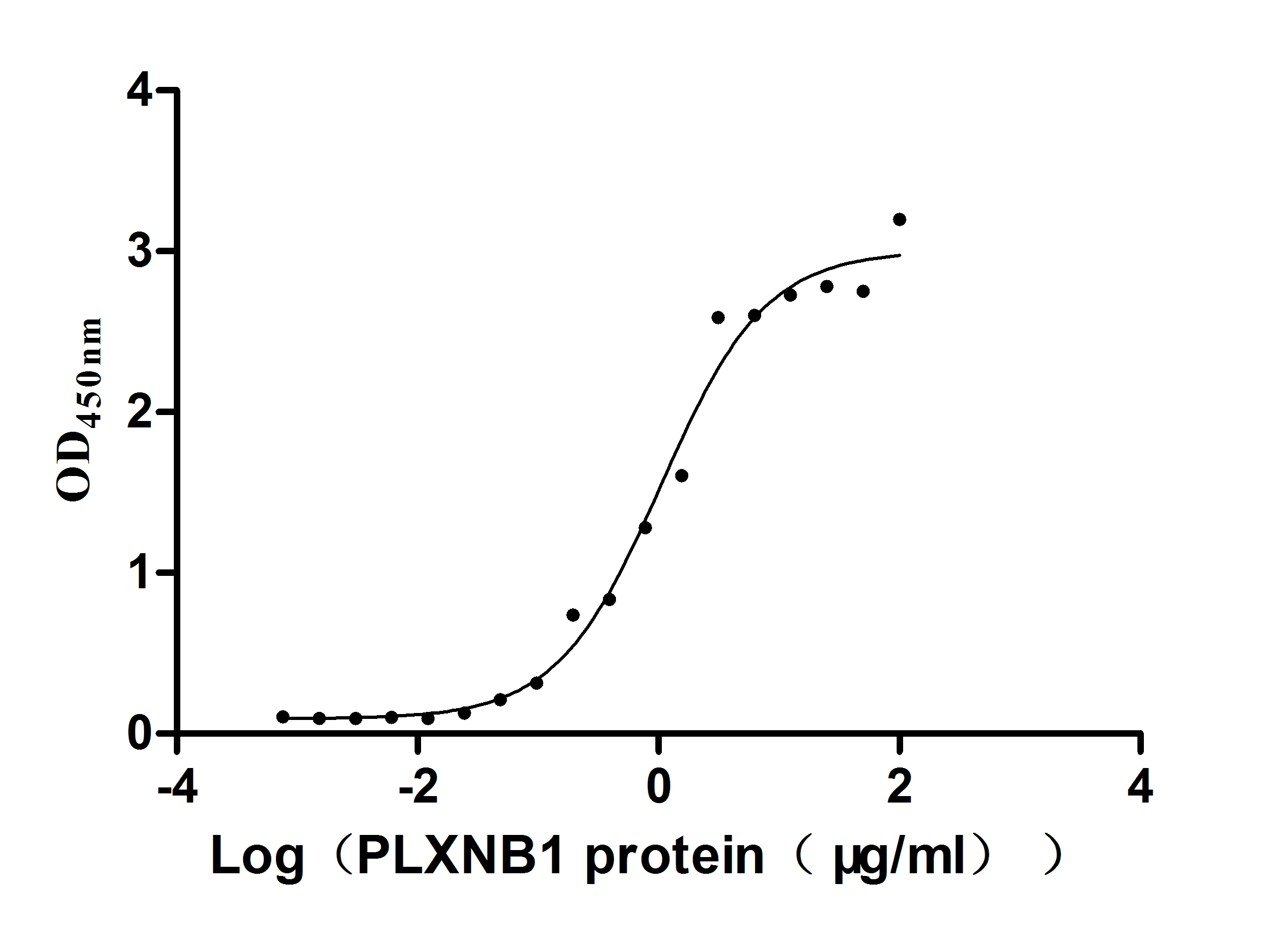
Recombinant Human Plexin-B1 (PLXNB1), partial (Active)
Express system: Mammalian cell
Species: Homo sapiens (Human)
-
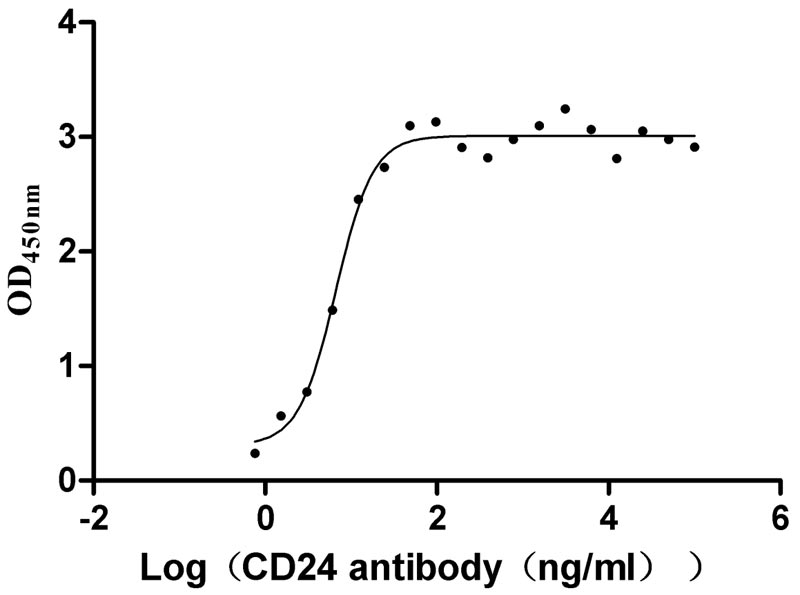
Recombinant Human Signal transducer CD24 (CD24)-Nanoparticle (Active)
Express system: Mammalian cell
Species: Homo sapiens (Human)
-
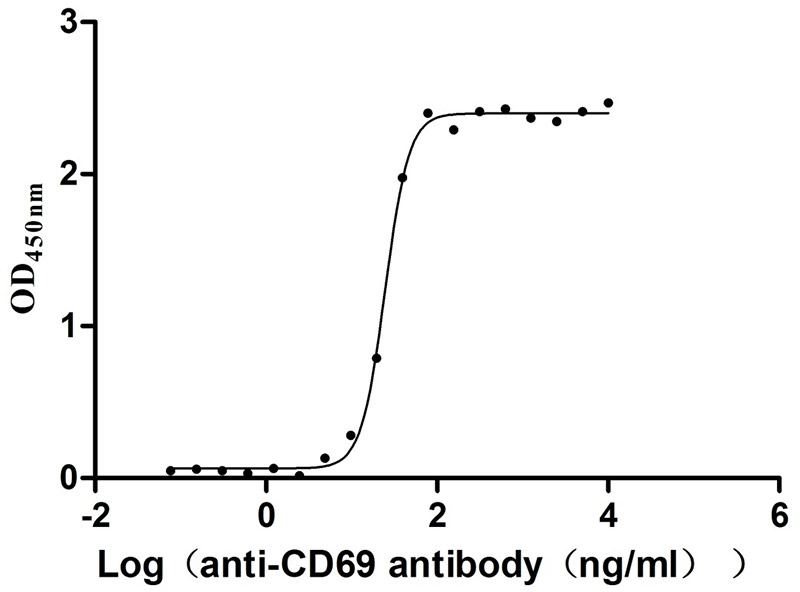
Recombinant Human Early activation antigen CD69 (CD69), partial (Active)
Express system: Mammalian cell
Species: Homo sapiens (Human)
-
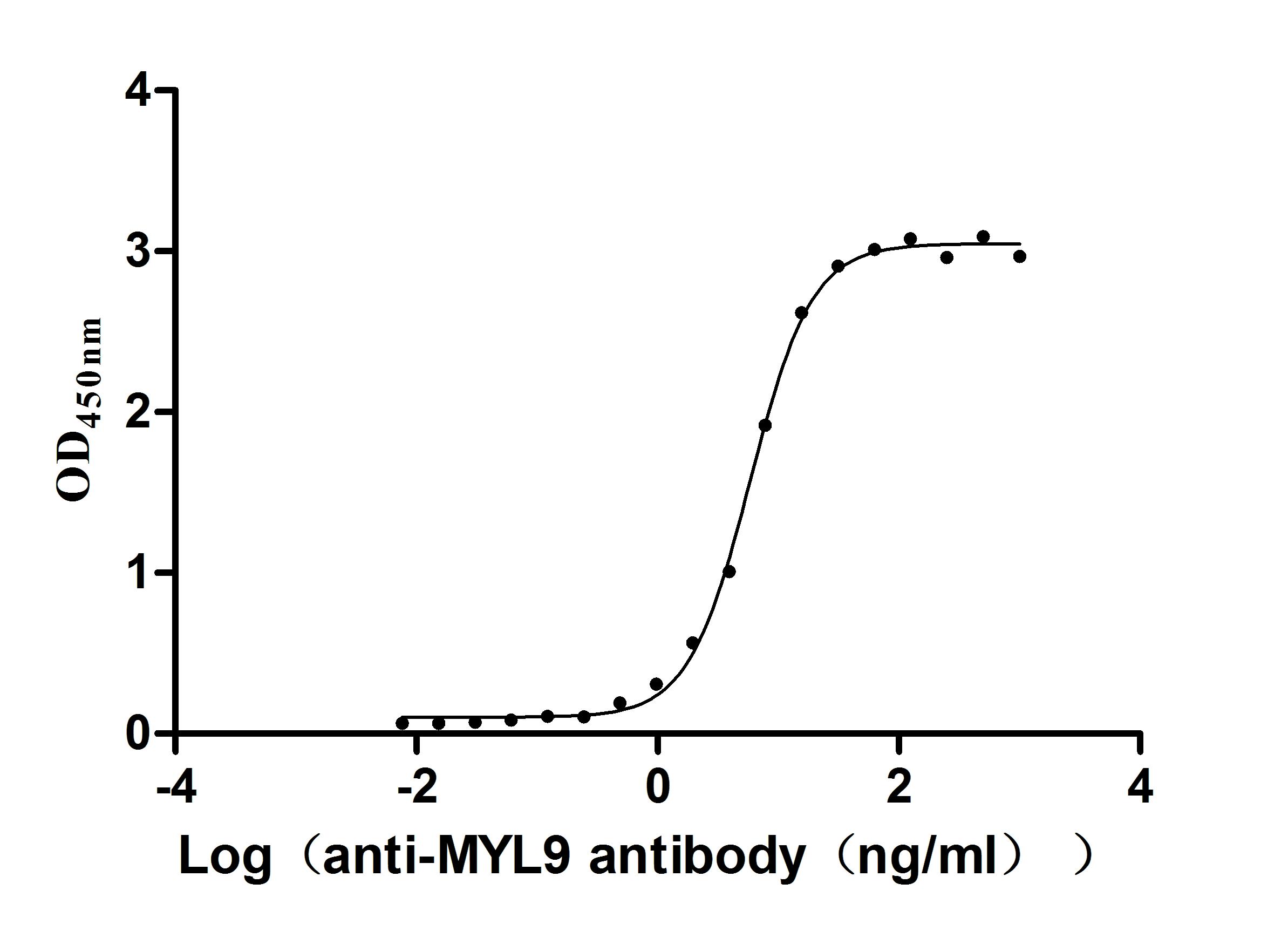
Recombinant Human Myosin regulatory light chain 12A (MYL12A) (Active)
Express system: E.coli
Species: Homo sapiens (Human)
-
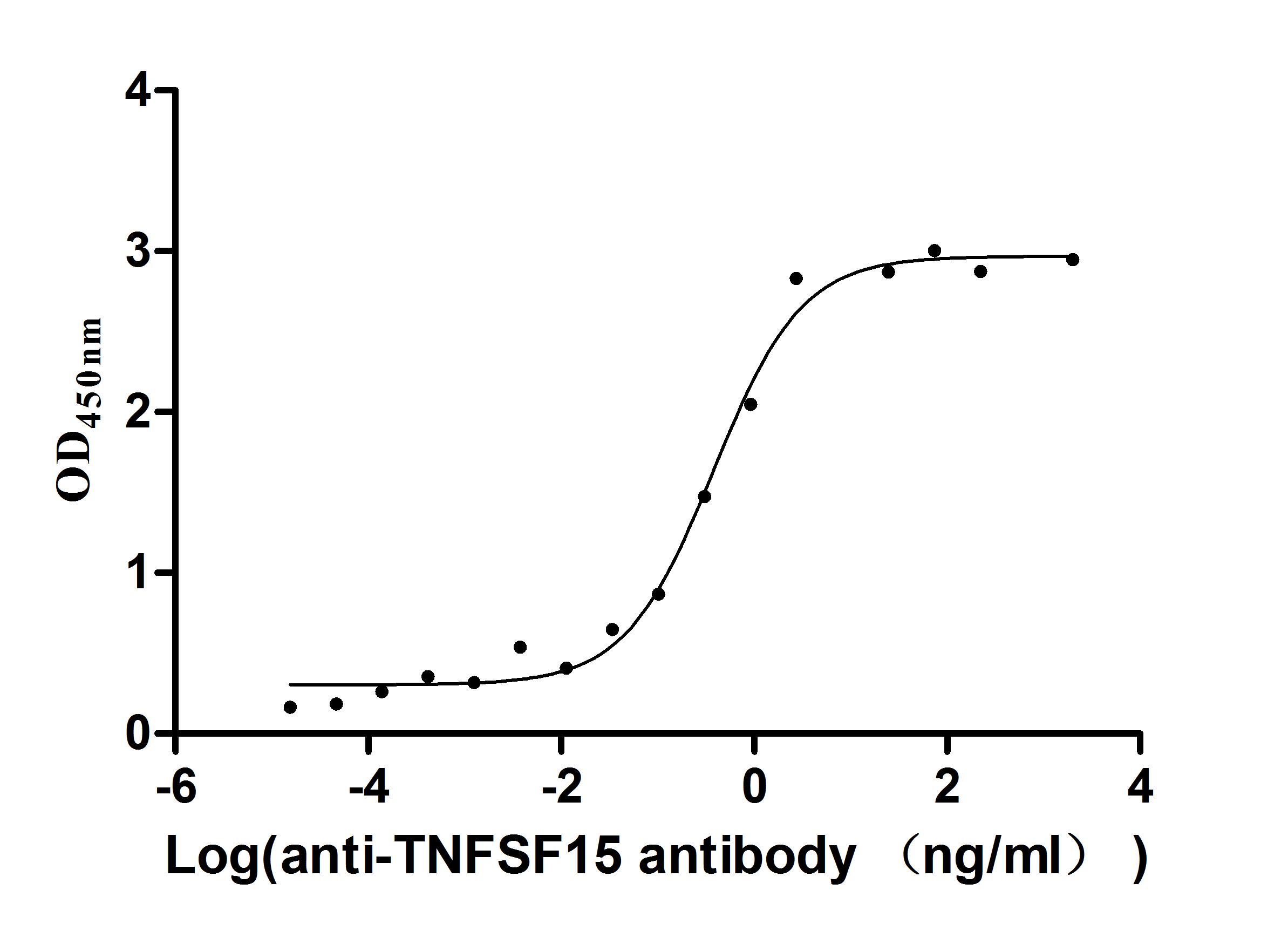
Express system: Mammalian cell
Species: Homo sapiens (Human)
-
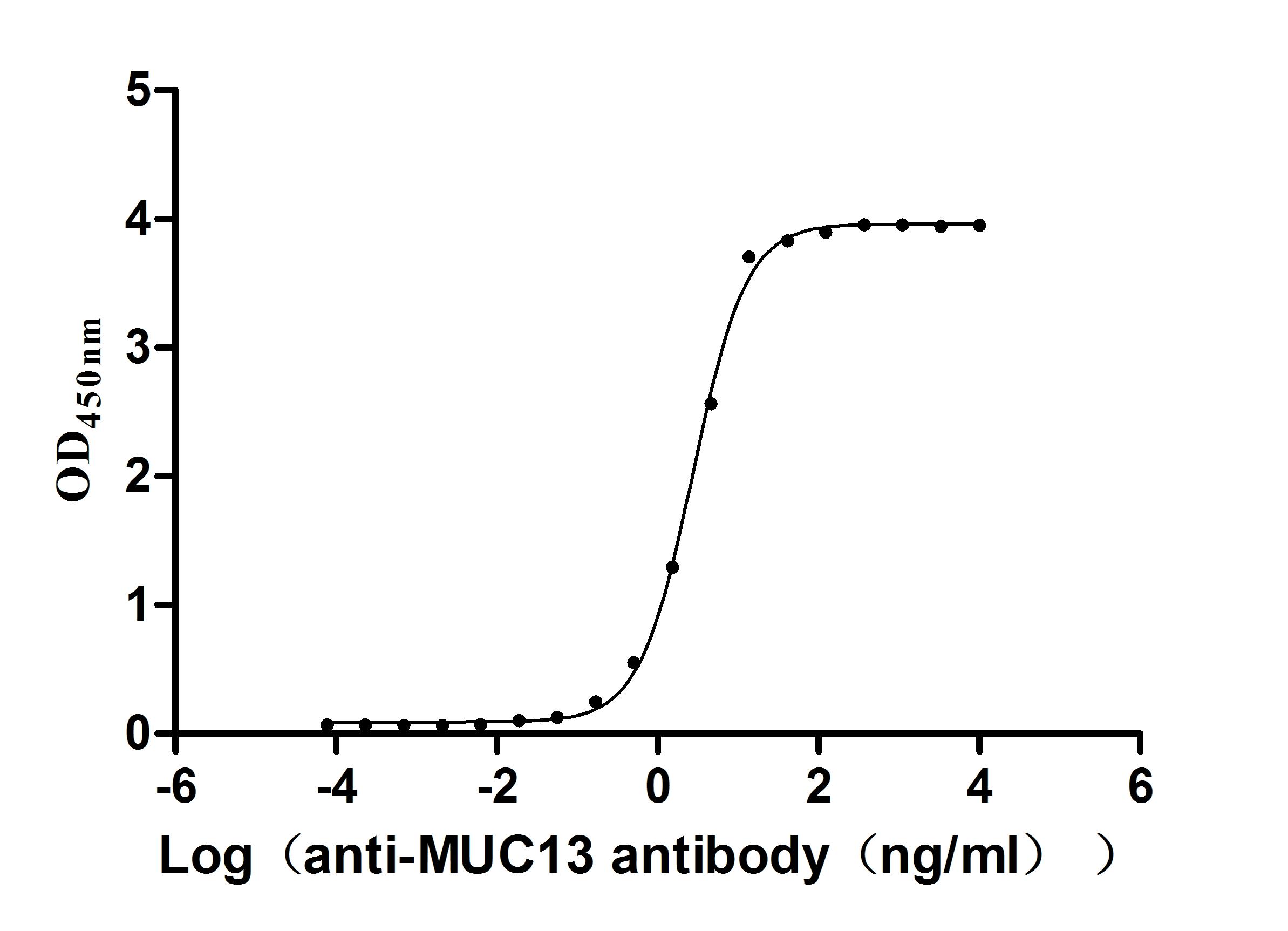
Recombinant Human Mucin-13(MUC13),partial (Active)
Express system: yeast
Species: Homo sapiens (Human)