Recombinant Mouse Adiponectin (Adipoq)
In Stock-
中文名稱:Recombinant Mouse Adiponectin(Adipoq)
-
品名簡稱:Recombinant Mouse Adipoq protein
-
貨號:CSB-EP723362MO
-
說明書:
-
規格:¥1836
-
圖片:
-
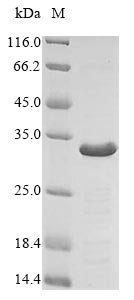 (Tris-Glycine gel) Discontinuous SDS-PAGE (reduced) with 5% enrichment gel and 15% separation gel.
 -
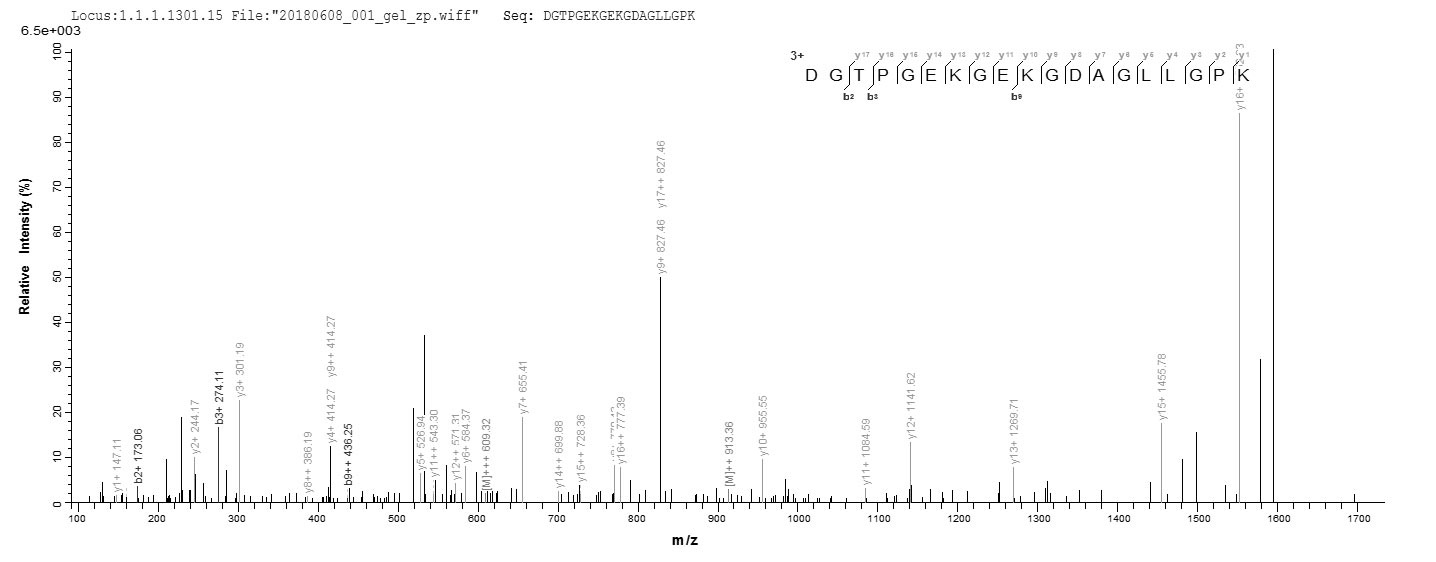 Based on the SEQUEST from database of E.coli host and target protein, the LC-MS/MS Analysis result of CSB-EP723362MO could indicate that this peptide derived from E.coli-expressed Mus musculus (Mouse) Adipoq.
 -
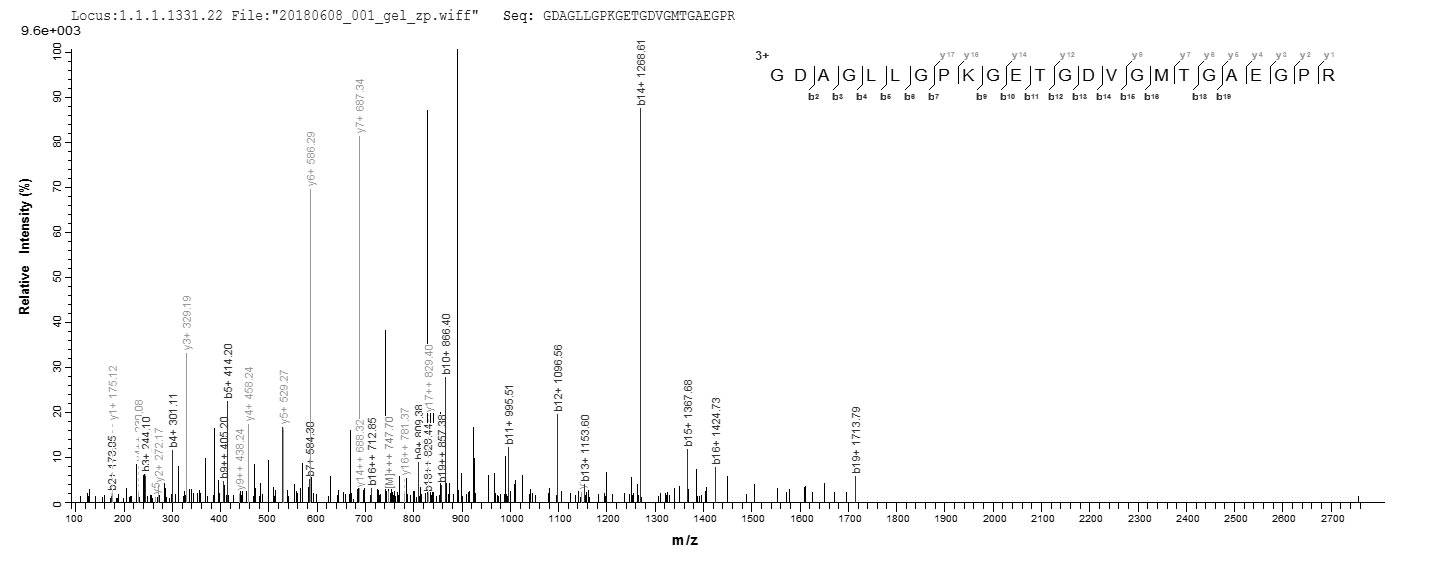 Based on the SEQUEST from database of E.coli host and target protein, the LC-MS/MS Analysis result of CSB-EP723362MO could indicate that this peptide derived from E.coli-expressed Mus musculus (Mouse) Adipoq.
-
-
其他:
產品詳情
-
純度:Greater than 85% as determined by SDS-PAGE.
-
基因名:
-
Uniprot No.:
-
別名:Adipoq; Acdc; Acrp30; Apm1; Adiponectin; 30 kDa adipocyte complement-related protein; Adipocyte complement-related 30 kDa protein; ACRP30; Adipocyte; C1q and collagen domain-containing protein; Adipocyte-specific protein AdipoQ
-
種屬:Mus musculus (Mouse)
-
蛋白長度:Full Length of Mature Protein
-
來源:E.coli
-
分子量:28.9 kDa
-
表達區域:18-247aa
-
氨基酸序列EDDVTTTEELAPALVPPPKGTCAGWMAGIPGHPGHNGTPGRDGRDGTPGEKGEKGDAGLLGPKGETGDVGMTGAEGPRGFPGTPGRKGEPGEAAYVYRSAFSVGLETRVTVPNVPIRFTKIFYNQQNHYDGSTGKFYCNIPGLYYFSYHITVYMKDVKVSLFKKDKAVLFTYDQYQEKNVDQASGSVLLHLEVGDQVWLQVYGDGDHNGLYADNVNDSTFTGFLLYHDTN
Note: The complete sequence may include tag sequence, target protein sequence, linker sequence and extra sequence that is translated with the protein sequence for the purpose(s) of secretion, stability, solubility, etc.
If the exact amino acid sequence of this recombinant protein is critical to your application, please explicitly request the full and complete sequence of this protein before ordering. -
蛋白標簽:N-terminal 6xHis-tagged
-
產品提供形式:Liquid or Lyophilized powder
Note: We will preferentially ship the format that we have in stock, however, if you have any special requirement for the format, please remark your requirement when placing the order, we will prepare according to your demand. -
緩沖液:Tris-based buffer,50% glycerol
-
儲存條件:Store at -20°C/-80°C upon receipt, aliquoting is necessary for mutiple use. Avoid repeated freeze-thaw cycles.
-
保質期:The shelf life is related to many factors, storage state, buffer ingredients, storage temperature and the stability of the protein itself.
Generally, the shelf life of liquid form is 6 months at -20°C/-80°C. The shelf life of lyophilized form is 12 months at -20°C/-80°C. -
貨期:3-7 business days
-
注意事項:Repeated freezing and thawing is not recommended. Store working aliquots at 4°C for up to one week.
-
Datasheet & COA:Please contact us to get it.
產品評價

相關產品
靶點詳情
-
功能:Important adipokine involved in the control of fat metabolism and insulin sensitivity, with direct anti-diabetic, anti-atherogenic and anti-inflammatory activities. Stimulates AMPK phosphorylation and activation in the liver and the skeletal muscle, enhancing glucose utilization and fatty-acid combustion. Antagonizes TNF-alpha by negatively regulating its expression in various tissues such as liver and macrophages, and also by counteracting its effects. Inhibits endothelial NF-kappa-B signaling through a cAMP-dependent pathway. May play a role in cell growth, angiogenesis and tissue remodeling by binding and sequestering various growth factors with distinct binding affinities, depending on the type of complex, LMW, MMW or HMW.
-
基因功能參考文獻:
- These data suggest that APN has a moderate regulatory role in oxidative stress-induced mitophagy and suppresses apoptosis. These findings demonstrate the antioxidant potential of APN in oxidative stress-associated skeletal muscle diseases. PMID: 28600493
- Downregulation of adiponectin in inflamed adipocyte by fetuin-A through the mediation of Wnt3a and PPARgamma is a new report. PMID: 27720679
- Study results indicate for the first time that adiponectin is able to influence the mechanical responses in strips from the mouse gastric fundus. PMID: 30254407
- miR-711, which is upregulated by Adipoq, represses TLR4 signaling, acting therefore as a major mediator of the anti-inflammatory action of Adipoq. PMID: 28240307
- both paracrine and endocrine effects of adiponectin may contribute to reduced reactive oxygen species generation and apoptosis after MI/R, in a CD36-dependent manner PMID: 29018142
- These data may indicate that insulin resistance in Adp(-/-) mice is likely caused by an increase in concentrations of TNFalpha and FFA via downregulation of PPARalpha. PMID: 29445073
- Adiponectin improves metabolic health but has only minor effects on reproductive functions in the polycystic ovary syndromemouse model. PMID: 28790184
- APN attenuates adverse cardiac remodeling following cardiac injury by up-regulating MMP-9 expression. APN up-regulates MMP-9 expression via activation of AMPK and ERK1/2. PMID: 29263115
- the effects of APN on the promotion of preadipocyte differentiation under inflammatory conditions may involve the PPARgamma signaling pathway, and at least partly depends on upregulation of PPARgamma expression. PMID: 29115433
- Results demonstrate that adiponectin enhances inhibitory postsynaptic current onto neuropeptide Y (NPY) neurons to attenuate action potential firing in NPY neurons in a glucose-independent manner, being contrasted to its glucose-dependent effect on proopiomelanocortin neurons. PMID: 28606559
- Results show a reciprocal regulation of adiponectin and FGF19 gene expression in mice. PMID: 27666676
- Acrp30 (a globular form of adiponectin) reduces the expression of proinflammatory cytokines and the expression of RAGE as beta amyloid transporters into brain. Moreover, Acrp30 attenuated the apoptosis and the tight junction disruption through AdipoR1-mediated NF-kappaB pathway in beta amyloid-exposed bEnd.3 cells. PMID: 29022894
- Findings demonstrate that adiponectin is an essential regulator of thermogenesis, and adiponectin is required for maintaining body temperature under cold exposure. PMID: 29058611
- Chronic stress accelerates DPP4-mediated GLP-1 degradation and alters plasma adiponectin, accelerating vascular senescence and impairing ischemia-induced neovascularization. PMID: 28963101
- AdipoQ antisense (AS) Long noncoding RNA (lncRNA) transfer from nucleus to cytoplasm inhibits adipogenesis through formation of an AdipoQ AS lncRNA/AdipoQ mRNA duplex to suppress the translation of AdipoQ mRNA.[ PMID: 29414510
- Adiponectin enhances quiescence exit of murine hematopoietic stem cells and hematopoietic recovery through mTORC1 potentiation. PMID: 28480607
- plasma adiponectin and leptin were also decreased in IL 10tm.These findings suggest that frailty observed in this mouse model of chronic inflammation may in part be driven by alterations in fat mass, hormone secretion and energy metabolism PMID: 29267271
- CpG ODNs decreased placental adiponectin expression in NOD mice and impaired human trophoblast function and was associated with increased embryo loss. Adiponectin may therefore play an important protective role in the prevention of bacteria-induced pregnancy failure. PMID: 27094728
- Caloric restriction (CR) impacted adiposity but only levels of the high molecular weight isoform of adiponectin responded to CR. PMID: 28156058
- T-cadherin was essential for accumulation of adiponectin in the neointima and atherosclerotic plaque lesions, and the adiponectin-T-cadherin association protected against vascular injury. PMID: 28062540
- mTORC1 mediated many of the beneficial actions of FGF21 in vitro, including UCP1 and FGF21 induction, increased adiponectin secretion, and enhanced glucose uptake without any adverse effects on insulin action. PMID: 27681418
- AnxA6 protein in adipocytes was upregulated by oxidative stress which might trigger AnxA6 induction in adipose tissues and contribute to impaired fat storage and adiponectin release. PMID: 27702590
- Adiponectin alters calcium and phosphate balance and renal mineral excretion, in part, through klotho. PMID: 27914707
- Adiponectin (ApN) proves to be a powerful protector of the skeletal muscle capable of reversing the disease progression, thus making it a potential therapeutic agent for Duchenne muscular dystrophy (DMD). PMID: 28463682
- These results demonstrated that LC along with insulin increases GSH levels thereby improving adiponectin secretion and glucose utilization in adipocytes. PMID: 28755973
- Adiponectin, TNF-alpha, and LOX-1 exert complex regulatory effects on the coronary microvascular endothelial function in atherosclerotic ApoE knockout mice. PMID: 27050429
- adiponectin inhibited endoplasmic reticulum stress and apoptosis of adipocyte in vivo and in vitro by activating the AMPK/PPARalpha/ATF2 pathway. PMID: 27882945
- Irisin improved endothelial function by modulating HO-1/ adiponectin axis in perivascular adipose tissue (PVAT) in HFD-induced obese mice. These findings suggest that regulating PVAT function may be a potential mechanism by which irisin improves endothelial function in obesity. PMID: 28595178
- a unique key feature of the T-cad prodomain is its involvement in binding of the T-cad repeats 1 and 2 to adiponectin; adiponectin positively regulates T-cad abundance PMID: 28325833
- adiponectin maintains intestinal homeostasis and protects against murine colitis through interactions with its receptor AdipoR1 and by modulating adaptive immunity and STAT3 signaling PMID: 28258220
- The KIF5B level was up-regulated during 3T3-L1 adipogenesis. This increase in cytosolic KIF5B was synchronized with the induction of adiponectin. Endogenous KIF5B and adiponectin were partially colocalized at the peri-nuclear and cytosolic regions. PMID: 27264953
- The elevation in circulating levels of adiponectin and Fgf15 led to normalized hepatic and serum levels of bile acids, limited hepatic accumulation of toxic bile, attenuated inflammation, and amelioration of liver injury in the ethanol-fed mNT knockout mice. PMID: 27573244
- Female adiponectin null mice displayed impaired fertility, reduced oocytes, disrupted estrous cycle, increased atretic follicles, and impaired late folliculogenesis. There was decrease in serum estradiol and FSH but an increase in LH and testosterone at proestrus. There was reduction of progesterone levels at diestrus, a significant decrease in LH receptor expression as well as in the number of GnRH immunoreactive neurons PMID: 27700136
- Tongqiaohuoxue decoction improved obesity-induced inflammation and insulin resistance by increasing adiponectin production. PMID: 27404230
- High salt is an important suppressor of cardioprotective APN and AdipoR1 in cardiac myocytes. PMID: 28051329
- PPARdelta activation in perirenal fat by agonist or high sodium intake inhibited renal sodium-glucose cotransporter 2 (SGLT2) function, which is mediated by increased production of adipose adiponectin. PMID: 27053360
- Acute knockdown of Insr or both Irs1 and Irs2 in adipocytes increased Adipoq mRNA expression but reduced adiponectin secretion. PMID: 26888756
- Adiponectin may protect the aorta from atherosclerotic injury by reducing inflammation. Adiponectin effectively inhibits the activation of NF-kappa B pathway by inhibiting the expression of NF-kappa B nuclear protein p65. PMID: 26965176
- Altered adiponectin multimerization could explain declined adiponectin levels and altered distribution of adiponectin complexes in the plasma of obese insulin-resistant individuals PMID: 26407855
- The expression of PI3K-insensitive GSK3 stimulates the production of adiponectin and protects from diet-induced metabolic syndrome. PMID: 27140617
- These data suggest that adiponectin could represent a possible biomarker in obesity-associated asthma PMID: 26462929
- ADPN might act as a biomarker of inflammation and have potential for the treatment of hemorrhagic shock. PMID: 26909947
- Adiponectin exerts novel effects to limit the production and action of mono-MPs, underscoring yet another pleiotropic effect of this adipokine. PMID: 26687997
- The results demonstrated a dynamic dysfunction of APN/AdipoR1 axis accompanying progression of diabetes mellitus in mice with cerebral ischemia. PMID: 26611106
- reduced plasma levels in obese mice treated with house dust mite allergens as compared to similarly treated lean mice PMID: 26476732
- CRP decreased adiponectin expression and multimerization, while CRP-induced decline in adiponectin might be mediated through the PI3K/Akt pathway. PMID: 26812237
- Globular Adiponectin (gAd) activates autophagy in myoblasts and gAd-activated autophagy drives the myogenic properties of this hormone. PMID: 26826036
- APN can help to reduce periodontitis-related bone loss, modulate JMJD3 and IRF4 expression, and macrophage infiltration. PMID: 26399931
- our data indicate that robust hypertrophic MEF2 activation in the heart in vivo requires a background of adiponectin signaling and that adiponectin signaling in primary isolated CM directly enhances MEF2 activity through activation of p38 MAPK PMID: 26196305
- In 3T3-L1 adipocytes, catechin and quercetin attenuated TNF-alpha-induced elevated protein carbonyls, increased proinflammatory cytokine expression (MCP-1, resistin), and decreased adiponectin. PMID: 25620282
顯示更多
收起更多
-
亞細胞定位:Secreted.
-
組織特異性:Synthesized exclusively by adipocytes and secreted into plasma.
-
數據庫鏈接:
Most popular with customers
-
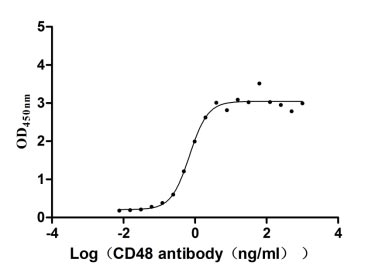
Recombinant Human CD48 antigen (CD48) (Active)
Express system: Mammalian cell
Species: Homo sapiens (Human)
-
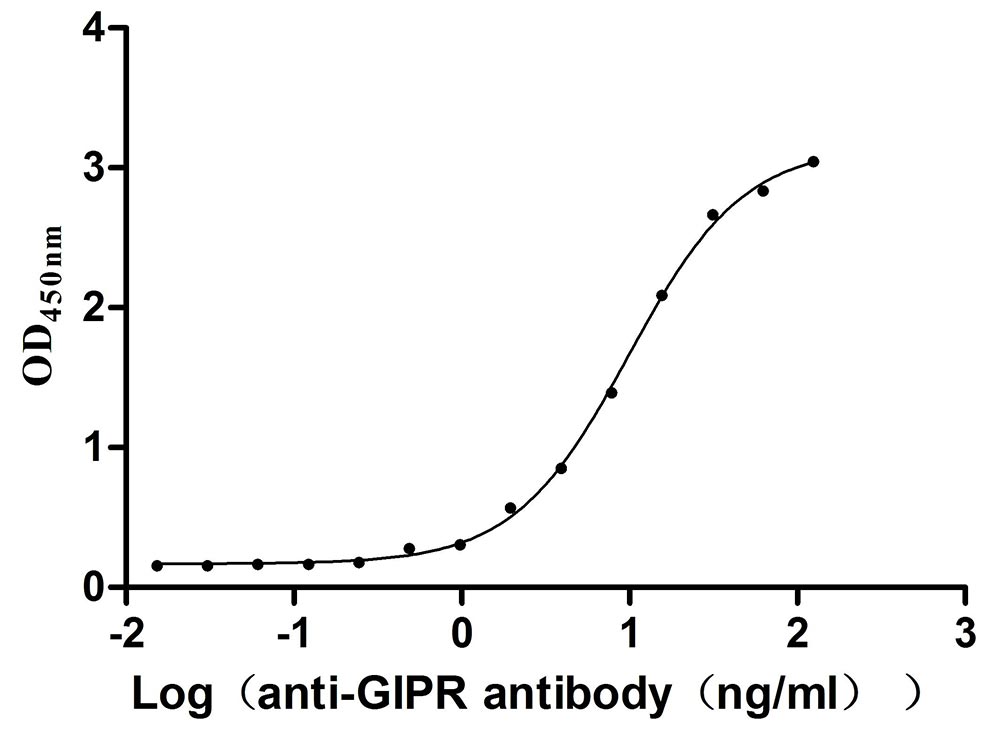
Recombinant Mouse Gastric inhibitory polypeptide receptor (Gipr), partial (Active)
Express system: Mammalian cell
Species: Mus musculus (Mouse)
-
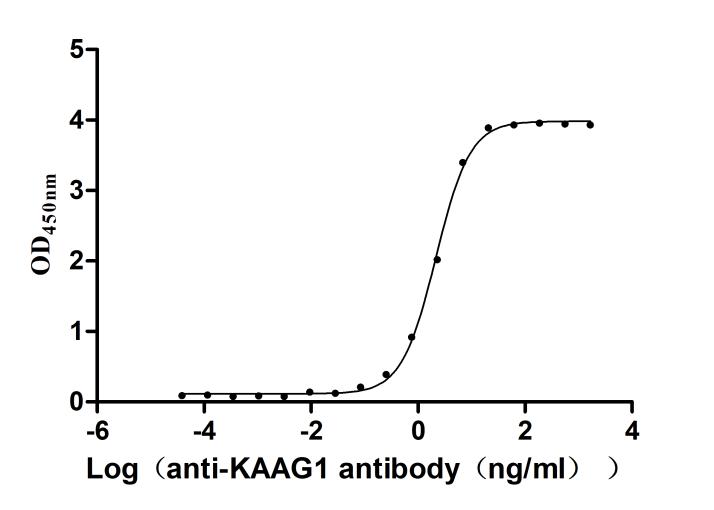
Recombinant Human Kidney-associated antigen 1 (KAAG1) (Active)
Express system: E.coli
Species: Homo sapiens (Human)
-
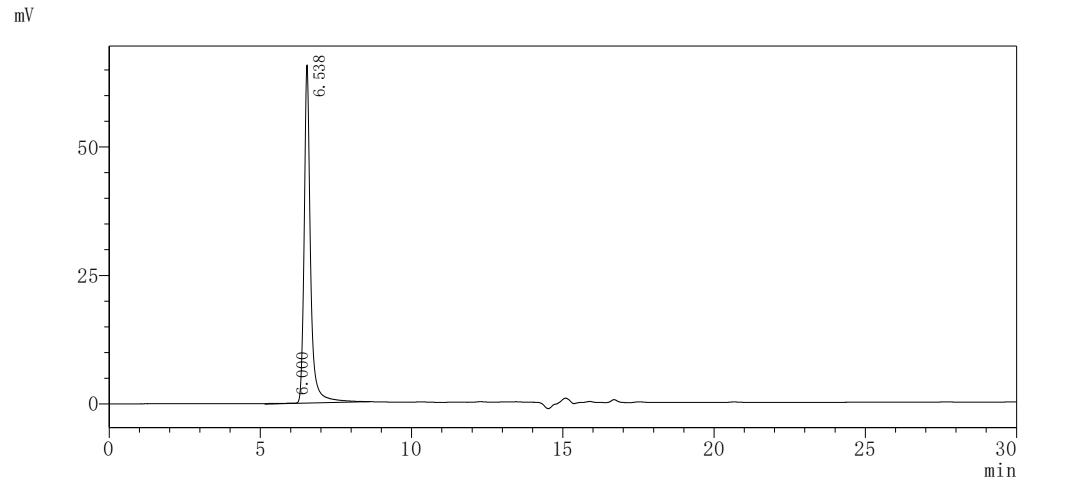
Recombinant Human C-C chemokine receptor type 9 (CCR9)-VLPs (Active)
Express system: Mammalian cell
Species: Homo sapiens (Human)
-
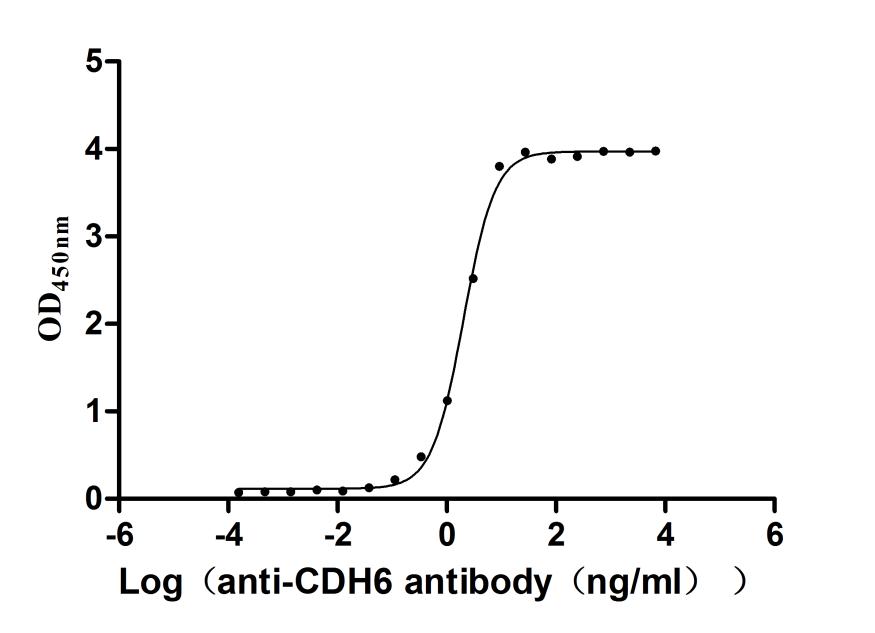
Recombinant Mouse Cadherin-6 (Cdh6), partial (Active)
Express system: Mammalian cell
Species: Mus musculus (Mouse)