Recombinant Human Cytochrome P450 4F3 (CYP4F3), partial
-
中文名稱:Recombinant Human Cytochrome P450 4F3(CYP4F3) ,partial
-
貨號:CSB-YP600864HU1
-
規格:
-
來源:Yeast
-
其他:
-
中文名稱:Recombinant Human Cytochrome P450 4F3(CYP4F3) ,partial
-
貨號:CSB-EP600864HU1
-
規格:
-
來源:E.coli
-
其他:
-
中文名稱:Recombinant Human Cytochrome P450 4F3(CYP4F3) ,partial
-
貨號:CSB-EP600864HU1-B
-
規格:
-
來源:E.coli
-
共軛:Avi-tag Biotinylated
E. coli biotin ligase (BirA) is highly specific in covalently attaching biotin to the 15 amino acid AviTag peptide. This recombinant protein was biotinylated in vivo by AviTag-BirA technology, which method is BriA catalyzes amide linkage between the biotin and the specific lysine of the AviTag.
-
其他:
-
中文名稱:Recombinant Human Cytochrome P450 4F3(CYP4F3) ,partial
-
貨號:CSB-BP600864HU1
-
規格:
-
來源:Baculovirus
-
其他:
-
中文名稱:Recombinant Human Cytochrome P450 4F3(CYP4F3) ,partial
-
貨號:CSB-MP600864HU1
-
規格:
-
來源:Mammalian cell
-
其他:
產品詳情
-
純度:>85% (SDS-PAGE)
-
基因名:CYP4F3
-
Uniprot No.:
-
別名:CYP4F3; LTB4H; Cytochrome P450 4F3; 20-hydroxyeicosatetraenoic acid synthase; 20-HETE synthase; CYPIVF3; Cytochrome P450-LTB-omega; Docosahexaenoic acid omega-hydroxylase CYP4F3; Leukotriene-B(4 20-monooxygenase 2; Leukotriene-B(4 omega-hydroxylase 2
-
種屬:Homo sapiens (Human)
-
蛋白長度:Partial
-
蛋白標簽:Tag?type?will?be?determined?during?the?manufacturing?process.
The tag type will be determined during production process. If you have specified tag type, please tell us and we will develop the specified tag preferentially. -
產品提供形式:Lyophilized powder
Note: We will preferentially ship the format that we have in stock, however, if you have any special requirement for the format, please remark your requirement when placing the order, we will prepare according to your demand. -
復溶:We recommend that this vial be briefly centrifuged prior to opening to bring the contents to the bottom. Please reconstitute protein in deionized sterile water to a concentration of 0.1-1.0 mg/mL.We recommend to add 5-50% of glycerol (final concentration) and aliquot for long-term storage at -20℃/-80℃. Our default final concentration of glycerol is 50%. Customers could use it as reference.
-
儲存條件:Store at -20°C/-80°C upon receipt, aliquoting is necessary for mutiple use. Avoid repeated freeze-thaw cycles.
-
保質期:The shelf life is related to many factors, storage state, buffer ingredients, storage temperature and the stability of the protein itself.
Generally, the shelf life of liquid form is 6 months at -20°C/-80°C. The shelf life of lyophilized form is 12 months at -20°C/-80°C. -
貨期:Delivery time may differ from different purchasing way or location, please kindly consult your local distributors for specific delivery time.Note: All of our proteins are default shipped with normal blue ice packs, if you request to ship with dry ice, please communicate with us in advance and extra fees will be charged.
-
注意事項:Repeated freezing and thawing is not recommended. Store working aliquots at 4°C for up to one week.
-
Datasheet :Please contact us to get it.
產品評價

相關產品
靶點詳情
-
功能:A cytochrome P450 monooxygenase involved in the metabolism of various endogenous substrates, including fatty acids and their oxygenated derivatives (oxylipins). Mechanistically, uses molecular oxygen inserting one oxygen atom into a substrate, and reducing the second into a water molecule, with two electrons provided by NADPH via cytochrome P450 reductase (CPR; NADPH-ferrihemoprotein reductase). May play a role in inactivation of proinflammatory and anti-inflammatory oxylipins during the resolution of inflammation.; Catalyzes predominantly the oxidation of the terminal carbon (omega-oxidation) of oxylipins in myeloid cells, displaying higher affinity for arachidonate metabolite leukotriene B4 (LTB4). Inactivates LTB4 via three successive oxidative transformations to 20-hydroxy-LTB4, then to 20-oxo-LTB4 and to 20-carboxy-LTB4. Has omega-hydroxylase activity toward long-chain fatty acid epoxides with preference for 8,9-epoxy-(5Z,11Z,14Z)-eicosatrienoate (EET) and 9,10-epoxyoctadecanoate. Omega-hydroxylates monohydroxy polyunsaturated fatty acids (PUFAs), including hydroxyeicosatetraenoates (HETEs) and hydroxyeicosapentaenoates (HEPEs), to dihydroxy compounds. Contributes to the degradation of saturated very long-chain fatty acids (VLCFAs) such as docosanoic acid, by catalyzing successive omega-oxidations to the corresponding dicarboxylic acid, thereby initiating chain shortening. Has low hydroxylase activity toward PUFAs.; Catalyzes predominantly the oxidation of the terminal carbon (omega-oxidation) of polyunsaturated fatty acids (PUFAs). Participates in the conversion of arachidonic acid to 20-hydroxyeicosatetraenoic acid (20-HETE), a signaling molecule acting both as vasoconstrictive and natriuretic with overall effect on arterial blood pressure. Has high omega-hydroxylase activity toward other PUFAs, including eicosatrienoic acid (ETA), eicosapentaenoic acid (EPA) and docosahexaenoic acid (DHA). Can also catalyze the oxidation of the penultimate carbon (omega-1 oxidation) of PUFAs with lower efficiency. Contributes to the degradation of saturated very long-chain fatty acids (VLCFAs) such as docosanoic acid and hexacosanoic acid, by catalyzing successive omega-oxidations to the corresponding dicarboxylic acids, thereby initiating chain shortening. Omega-hydroxylates long-chain 3-hydroxy fatty acids, likely initiating the oxidative conversion to the corresponding 3-hydroxydicarboxylic fatty acids. Has omega-hydroxylase activity toward long-chain fatty acid epoxides with preference for 8,9-epoxy-(5Z,11Z,14Z)-eicosatrienoate (EET) and 9,10-epoxyoctadecanoate.
-
基因功能參考文獻:
- High n3:n6 polyunsaturated fatty acids (PUFA) intake was associated with a reduced risk of ulcerative colitis (UC) in individuals with the GG/AG genotype at a single nucleotide polymorphism in CYP4F3 but not those with the AA genotype. The association between dietary n3:n6 PUFA intake and risk of UC may be modified variants at CYP4F3. PMID: 28991856
- The results suggest that a potentially functional single-nucleotide polymorphisms in CYP4F3 (rs4646904) may contribute to the etiology of lung cancer, especially in smokers. PMID: 28150878
- Children who consumed a higher dietary ratio of omega6/omega3 were susceptible for Crohn's disease if they were also carriers of specific variants of CYP4F3 and FADS2 genes. PMID: 24406470
- In this short review, emphasis will be placed on the regulation and the functional roles of human CYP4F3--{REVIEW} PMID: 22706230
- can directly stimulate osteoclast differentiation dependent of RANKL PMID: 20047521
- identification of the distinct transcriptional features in myeloid, lymphoid, and hepatic cells that indicate the presence of multiple promoters in the CYP4F3 gene PMID: 12709424
- CYP4F3A appears to be responsible for the leukotriene B(4) omega-hydroxylase activity PMID: 14715252
- CYP4F18 is a critical protein in the regulation of LTB(4) metabolism PMID: 16380383
- Results decribe the expression and physiological function of CYP4F3A and its subfamily in human eosinophils. PMID: 17980168
- 3-hydroxystearate and 3-hydroxypalmitate are converted to omega-hydroxylated 3-OHDCA precursors in liver; CYP4F11 and, to a lesser extent, CYP4F2 catalyzed omega-hydroxylation of 3-hydroxystearate; CYP4F3b, CYP4F12, and CYP4A11 had negligible activity. PMID: 18065749
- CYP4F3B is the key enzyme to produce 20-HETE by omega-hydroxylation of arachidonic acid in liver cells PMID: 18566475
- Main fatty acid pathway is the omega-hydroxylation of polyunsaturated fatty acids. PMID: 18577768
- By regulating the balance of LTB4 in the lung, LTB4OH may function as a suppressor of lung carcinogenesis. PMID: 19138970
顯示更多
收起更多
-
亞細胞定位:Endoplasmic reticulum membrane; Single-pass membrane protein. Microsome membrane; Single-pass membrane protein.
-
蛋白家族:Cytochrome P450 family
-
組織特異性:[Isoform CYP4F3A]: Selectively expressed in blood neutrophils and bone marrow cells. Coexpressed with CYP4F3B in prostate, ileum and trachea.; [Isoform CYP4F3B]: Selectively expressed in liver and kidney. It is also the predominant CYP4F isoform in trache
-
數據庫鏈接:
Most popular with customers
-
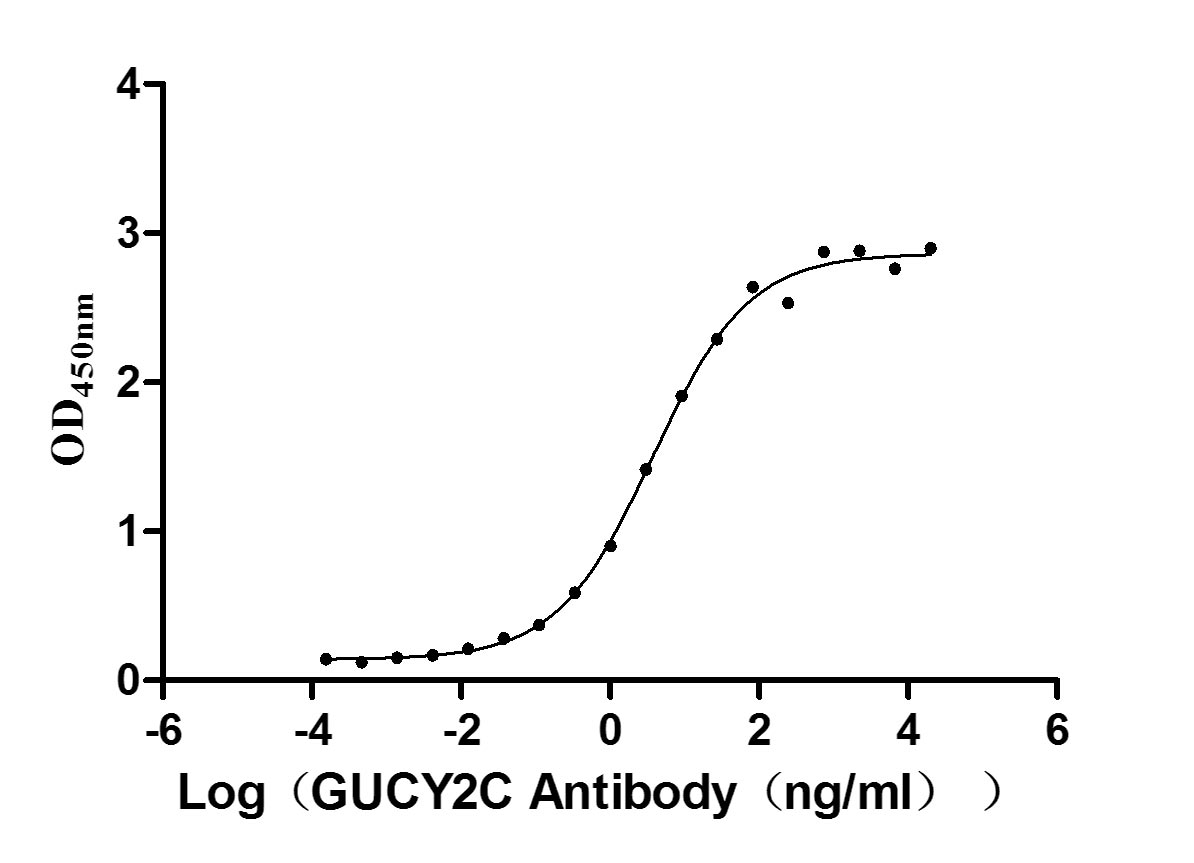
Recombinant Human Heat-stable enterotoxin receptor (GUCY2C), partial (Active)
Express system: Mammalian cell
Species: Homo sapiens (Human)
-
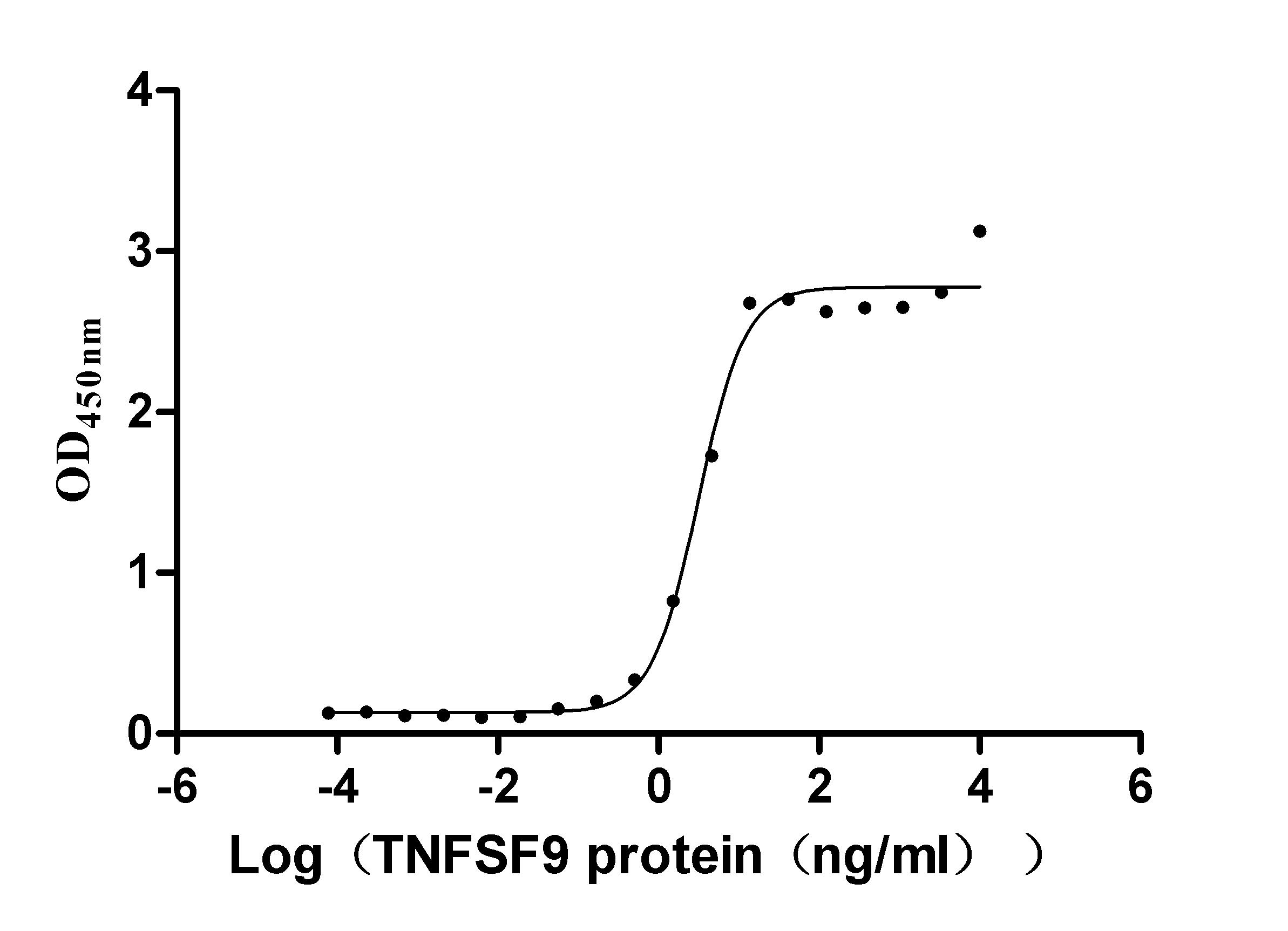
Recombinant Human Tumor necrosis factor ligand superfamily member 9 (TNFSF9), partial (Active)
Express system: Mammalian cell
Species: Homo sapiens (Human)
-
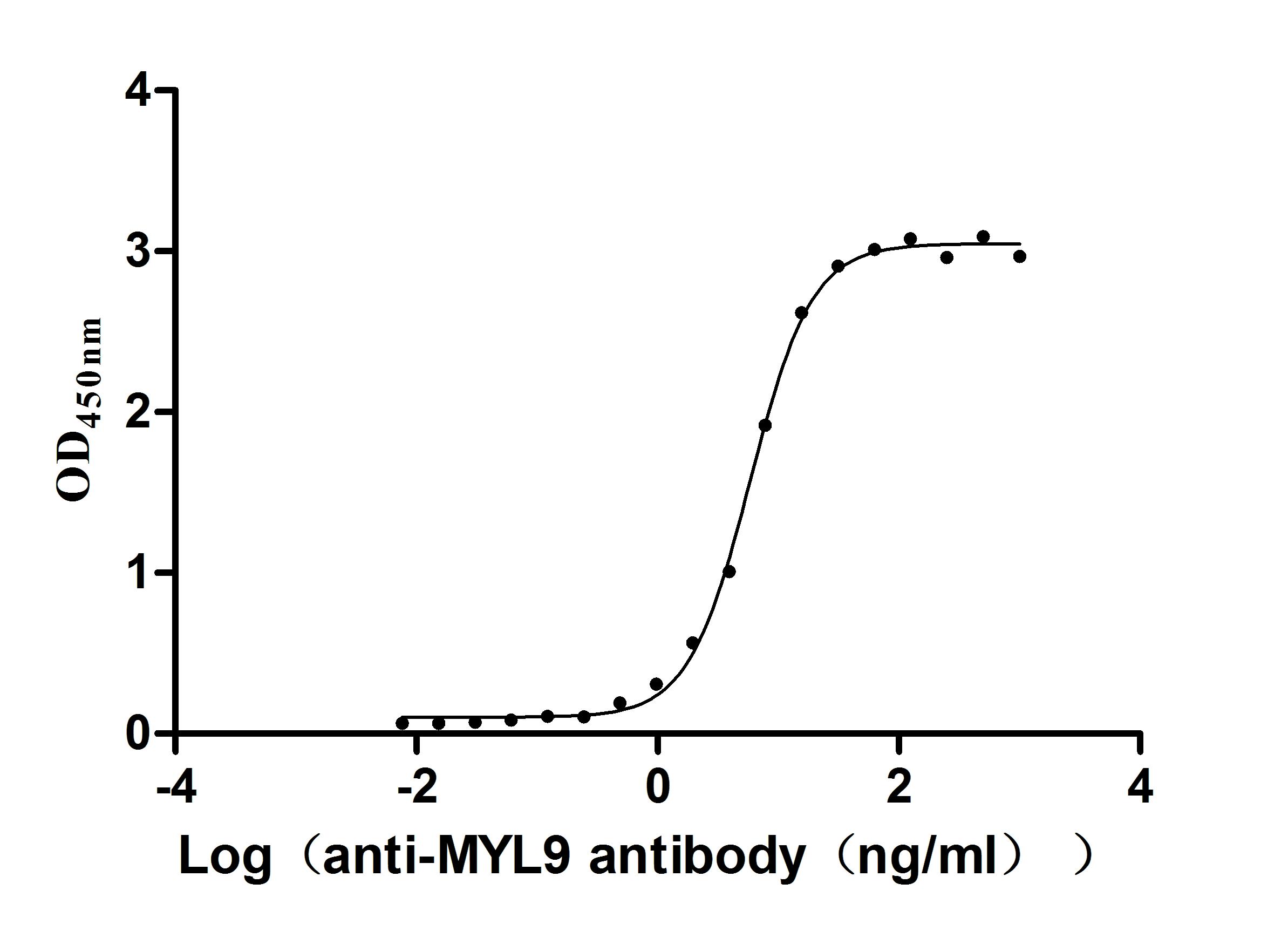
Recombinant Human Myosin regulatory light chain 12A (MYL12A) (Active)
Express system: E.coli
Species: Homo sapiens (Human)
-
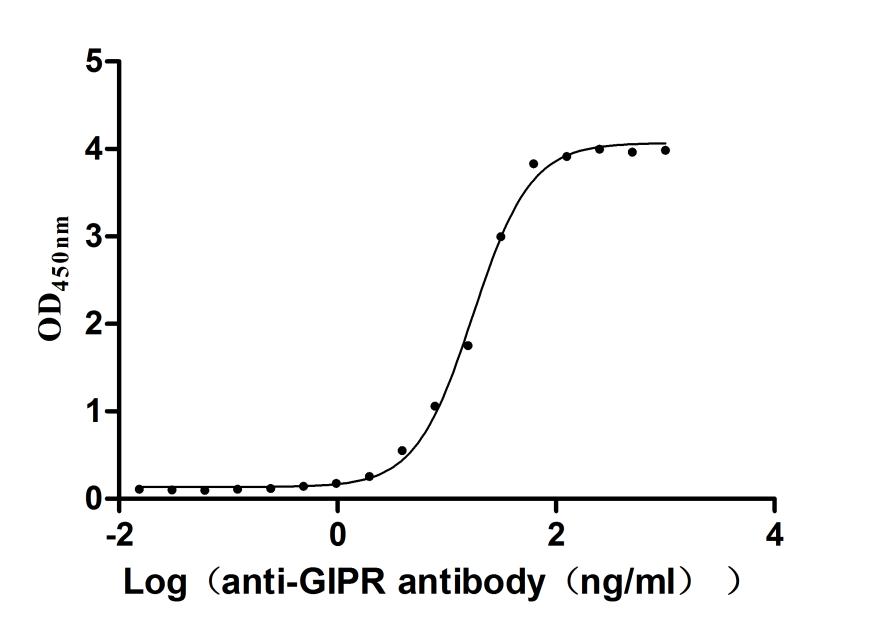
Recombinant Human Gastric inhibitory polypeptide receptor(GIPR),partial (Active)
Express system: Mammalian cell
Species: Homo sapiens (Human)
-
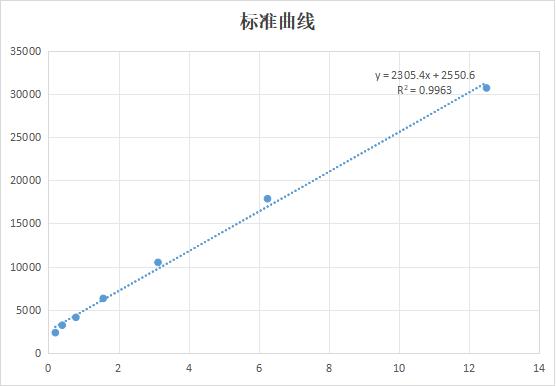
Recombinant Human Urokinase-type plasminogen activator(PLAU) (Active)
Express system: Mammalian cell
Species: Homo sapiens (Human)