Recombinant Human Gap junction beta-4 protein (GJB4), partial
-
中文名稱:人GJB4重組蛋白
-
貨號:CSB-YP865136HU1
-
規格:
-
來源:Yeast
-
其他:
-
中文名稱:人GJB4重組蛋白
-
貨號:CSB-EP865136HU1
-
規格:
-
來源:E.coli
-
其他:
-
中文名稱:人GJB4重組蛋白
-
貨號:CSB-EP865136HU1-B
-
規格:
-
來源:E.coli
-
共軛:Avi-tag Biotinylated
E. coli biotin ligase (BirA) is highly specific in covalently attaching biotin to the 15 amino acid AviTag peptide. This recombinant protein was biotinylated in vivo by AviTag-BirA technology, which method is BriA catalyzes amide linkage between the biotin and the specific lysine of the AviTag.
-
其他:
-
中文名稱:人GJB4重組蛋白
-
貨號:CSB-BP865136HU1
-
規格:
-
來源:Baculovirus
-
其他:
-
中文名稱:人GJB4重組蛋白
-
貨號:CSB-MP865136HU1
-
規格:
-
來源:Mammalian cell
-
其他:
產品詳情
-
純度:>85% (SDS-PAGE)
-
基因名:GJB4
-
Uniprot No.:
-
別名:GJB4; Gap junction beta-4 protein; Connexin-30.3; Cx30.3
-
種屬:Homo sapiens (Human)
-
蛋白長度:Partial
-
蛋白標簽:Tag?type?will?be?determined?during?the?manufacturing?process.
The tag type will be determined during production process. If you have specified tag type, please tell us and we will develop the specified tag preferentially. -
產品提供形式:Lyophilized powder
Note: We will preferentially ship the format that we have in stock, however, if you have any special requirement for the format, please remark your requirement when placing the order, we will prepare according to your demand. -
復溶:We recommend that this vial be briefly centrifuged prior to opening to bring the contents to the bottom. Please reconstitute protein in deionized sterile water to a concentration of 0.1-1.0 mg/mL.We recommend to add 5-50% of glycerol (final concentration) and aliquot for long-term storage at -20℃/-80℃. Our default final concentration of glycerol is 50%. Customers could use it as reference.
-
儲存條件:Store at -20°C/-80°C upon receipt, aliquoting is necessary for mutiple use. Avoid repeated freeze-thaw cycles.
-
保質期:The shelf life is related to many factors, storage state, buffer ingredients, storage temperature and the stability of the protein itself.
Generally, the shelf life of liquid form is 6 months at -20°C/-80°C. The shelf life of lyophilized form is 12 months at -20°C/-80°C. -
貨期:Delivery time may differ from different purchasing way or location, please kindly consult your local distributors for specific delivery time.Note: All of our proteins are default shipped with normal blue ice packs, if you request to ship with dry ice, please communicate with us in advance and extra fees will be charged.
-
注意事項:Repeated freezing and thawing is not recommended. Store working aliquots at 4°C for up to one week.
-
Datasheet :Please contact us to get it.
產品評價

相關產品
靶點詳情
-
功能:Structural component of gap junctions. Gap junctions are dodecameric channels that connect the cytoplasm of adjoining cells. They are formed by the docking of two hexameric hemichannels, one from each cell membrane. Small molecules and ions diffuse from one cell to a neighboring cell via the central pore.
-
基因功能參考文獻:
- GJB4 may be a genetic risk factor for the development of nonsyndromic hearing loss and the data from the present study can be used to direct the clinical evaluation and effectively manage the care of families of children with GJB4. PMID: 25333454
- In this study, we found no mutations of GJB4 in two Progressive symmetrical erythrokeratoderma families. PMID: 23678955
- Letter: describe erythrokeratodermia variabilis phenotype related to novel mutation in GJB4 gene. PMID: 23037955
- Mutation analysis of GJB3 and GJB4 in Chinese patients with erythrokeratodermia variabilis. PMID: 21950330
- Bidirectional sequencing of the coding region of GJB4 revealed a novel c.295G>A missense mutation. PMID: 22266302
- There were no mutations found in the GJB4 gene and the true pathogenesis of progressive symmetrical erythrokeratodermia remains unknown. PMID: 21198793
- A common frameshift mutation and other variants in GJB4 (connexin 30.3): Analysis of hearing impairment families PMID: 11933201
- the involvement of connexin gene 30.3 (GJB4) in the etiology of erythrokeratodermia variabilis PMID: 12648223
- These results not only provide new insights into epidermal connexin synthesis and polymerization, but also allow a novel molecular explanation for the similarity of EKV phenotypes. PMID: 14583444
- Not all clinically diagnosed individuals with erythrokeratoderma variabilis harbor Cx30.3 disease-associated mutations. PMID: 16297190
- Five patients with erythrokeratodermia variabilis of Mendes da Costa and progressive symmetric erythrokeratodermia of Gottron had the same mutation in the GJB4 gene causing the amino acid substitution p.Gly12Asp (G12D). PMID: 19291775
顯示更多
收起更多
-
相關疾病:Erythrokeratodermia variabilis et progressiva 2 (EKVP2)
-
亞細胞定位:Cell membrane; Multi-pass membrane protein. Cell junction, gap junction.
-
蛋白家族:Connexin family, Beta-type (group I) subfamily
-
數據庫鏈接:
Most popular with customers
-
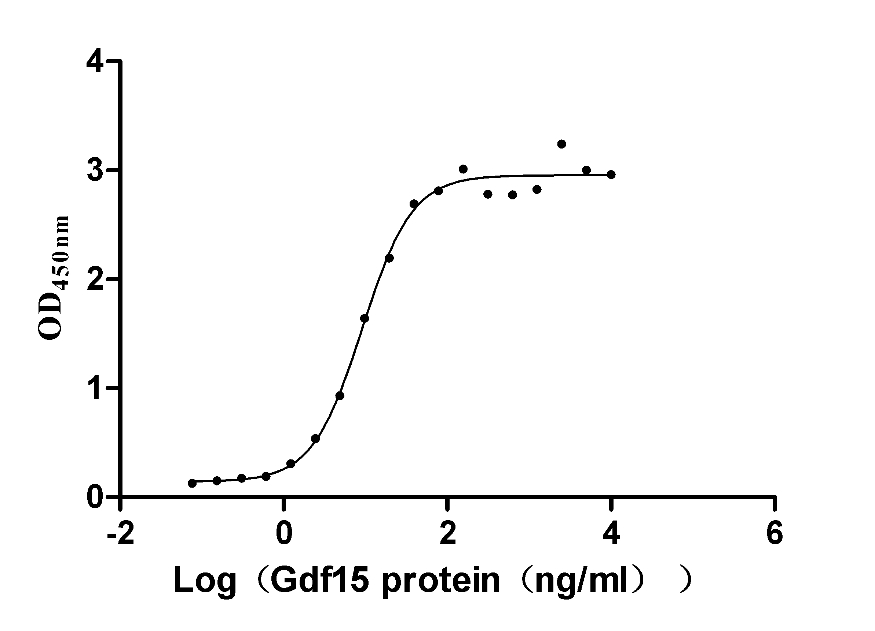
Recombinant Mouse GDNF family receptor alpha-like (Gfral), partial (Active)
Express system: Mammalian cell
Species: Mus musculus (Mouse)
-
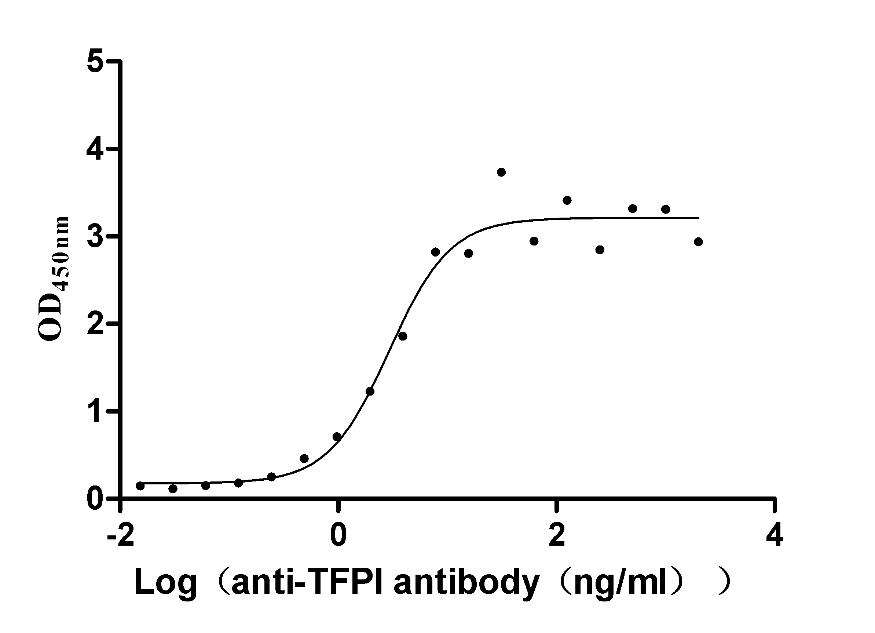
Recombinant Rabbit Tissue factor pathway inhibitor (TFPI) (Active)
Express system: Mammalian cell
Species: Oryctolagus cuniculus (Rabbit)
-
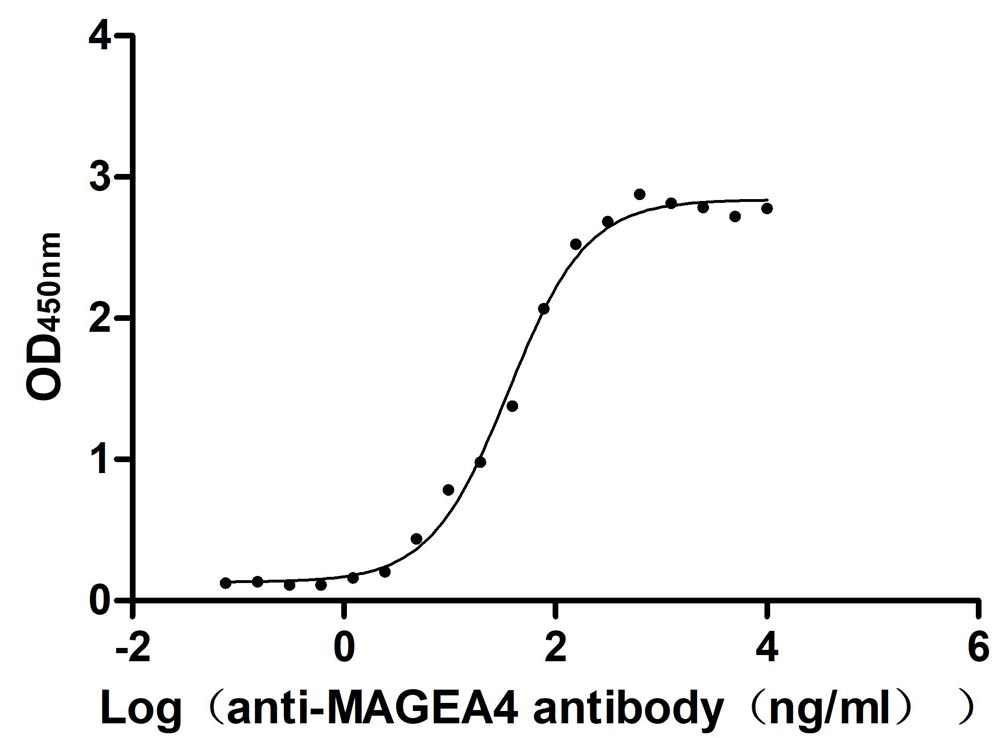
Recombinant Human Melanoma-associated antigen 4 (MAGEA4) (Active)
Express system: Mammalian cell
Species: Homo sapiens (Human)
-

Recombinant Rat Intestinal-type alkaline phosphatase 1 (Alpi) (Active)
Express system: Mammalian cell
Species: Rattus norvegicus (Rat)
-
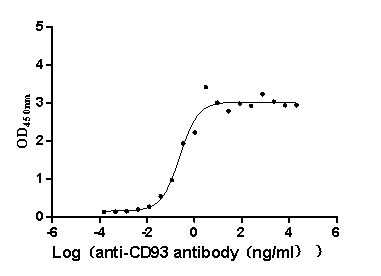
Recombinant Macaca fascicularis CD93 molecule (CD93), partial (Active)
Express system: Mammalian cell
Species: Macaca fascicularis (Crab-eating macaque) (Cynomolgus monkey)
-
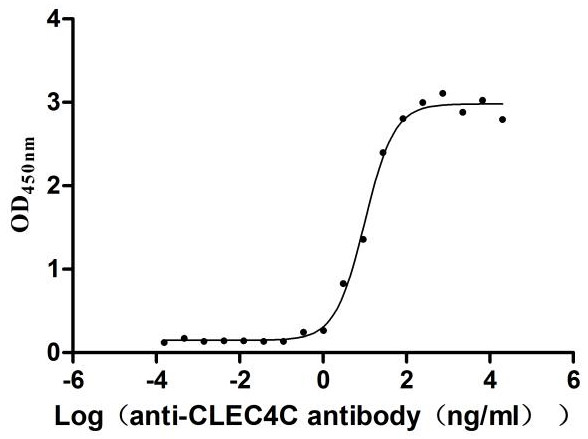
Recombinant Human C-type lectin domain family 4 member C (CLEC4C), partial (Active)
Express system: Mammalian cell
Species: Homo sapiens (Human)
-
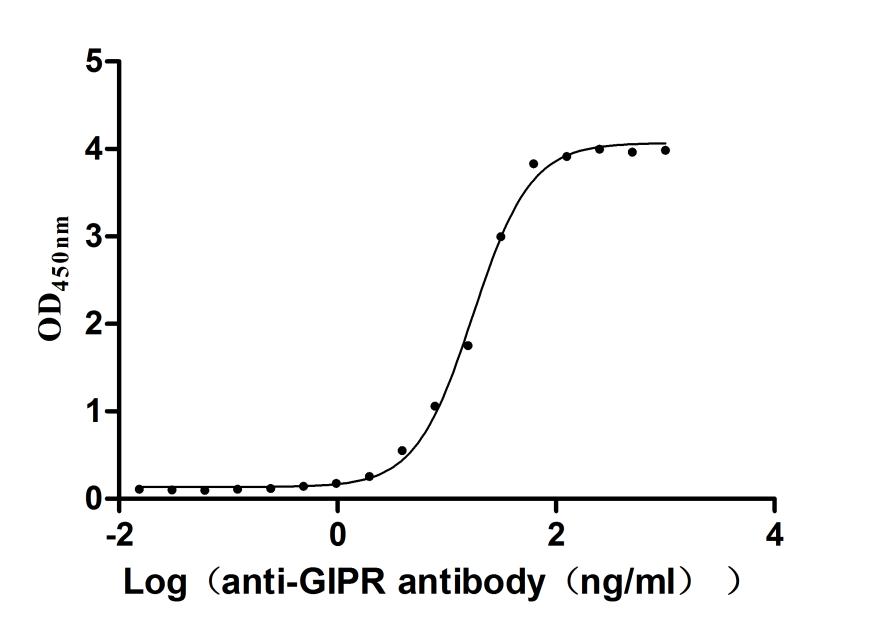
Recombinant Human Gastric inhibitory polypeptide receptor(GIPR),partial (Active)
Express system: Mammalian cell
Species: Homo sapiens (Human)