Recombinant Human Coagulation factor IX (F9), partial
-
中文名稱:人F9重組蛋白
-
品名簡稱:Recombinant Human F9 protein, partial
-
貨號:CSB-EP007936HU1
-
說明書:
-
規(guī)格:¥2328
-
圖片:
-
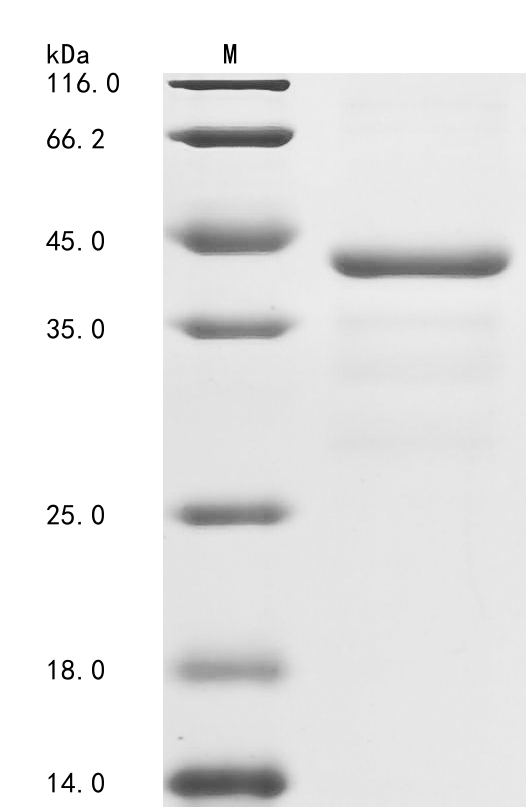 (Tris-Glycine gel) Discontinuous SDS-PAGE (reduced) with 5% enrichment gel and 15% separation gel.
-
-
其他:
產(chǎn)品詳情
-
純度:Greater than 85% as determined by SDS-PAGE.
-
基因名:
-
Uniprot No.:
-
種屬:Homo sapiens (Human)
-
蛋白長度:Partial
-
來源:E.coli
-
分子量:42.0 kDa
-
表達(dá)區(qū)域:144-239aa
-
氨基酸序列FCKNSADNKVVCSCTEGYRLAENQKSCEPAVPFPCGRVSVSQTSKLTRAETVFPDVDYVNSTEAETILDNITQSTQSFNDFTRVVGGEDAKPGQFP
Note: The complete sequence may include tag sequence, target protein sequence, linker sequence and extra sequence that is translated with the protein sequence for the purpose(s) of secretion, stability, solubility, etc.
If the exact amino acid sequence of this recombinant protein is critical to your application, please explicitly request the full and complete sequence of this protein before ordering. -
蛋白標(biāo)簽:N-terminal 6xHis-GST-tagged
-
產(chǎn)品提供形式:Liquid or Lyophilized powder
Note: We will preferentially ship the format that we have in stock, however, if you have any special requirement for the format, please remark your requirement when placing the order, we will prepare according to your demand. -
緩沖液:If the delivery form is liquid, the default storage buffer is Tris/PBS-based buffer, 5%-50% glycerol. If the delivery form is lyophilized powder, the buffer before lyophilization is Tris/PBS-based buffer, 6% Trehalose.
-
復(fù)溶:We recommend that this vial be briefly centrifuged prior to opening to bring the contents to the bottom. Please reconstitute protein in deionized sterile water to a concentration of 0.1-1.0 mg/mL.We recommend to add 5-50% of glycerol (final concentration) and aliquot for long-term storage at -20℃/-80℃. Our default final concentration of glycerol is 50%. Customers could use it as reference.
-
儲存條件:Store at -20°C/-80°C upon receipt, aliquoting is necessary for mutiple use. Avoid repeated freeze-thaw cycles.
-
保質(zhì)期:The shelf life is related to many factors, storage state, buffer ingredients, storage temperature and the stability of the protein itself.
Generally, the shelf life of liquid form is 6 months at -20°C/-80°C. The shelf life of lyophilized form is 12 months at -20°C/-80°C. -
貨期:Delivery time may differ from different purchasing way or location, please kindly consult your local distributors for specific delivery time.
-
注意事項:Repeated freezing and thawing is not recommended. Store working aliquots at 4°C for up to one week.
-
Datasheet & COA:Please contact us to get it.
產(chǎn)品評價

相關(guān)產(chǎn)品
靶點(diǎn)詳情
-
功能:Factor IX is a vitamin K-dependent plasma protein that participates in the intrinsic pathway of blood coagulation by converting factor X to its active form in the presence of Ca(2+) ions, phospholipids, and factor VIIIa.
-
基因功能參考文獻(xiàn):
- available to predict the inhibitory activity on FIXa. On the basis of pharmacophore modeling, molecular docking, and 3D-QSAR modeling screening, six molecules are PMID: 29724133
- Report induced pluripotent stem cell model characterizing mutated F9 mRNA in hemophilia B. PMID: 28834196
- genetic association studies in cohort of patients in Switzerland: Data suggest that F9 propeptide mutation-associated hypersensitivity to vitamin K antagonist anticoagulants is rare phenomenon; F9 propeptide mutation Ala37Thr confers high sensitivity to warfarin. PMID: 29450643
- Higher FIX antigen levels are associated with incident coronary heart disease in blacks but not in whites; the association of FXI levels with ischemic stroke is slightly attenuated after adjusting for stroke risk factors. PMID: 28393470
- a computational approach was conducted to select suitable location(s) for introducing new N-glycosylation sites into the human coagulation factor IX. PMID: 27356208
- The pathogenic basis for one synonymous mutation (Val107Val) in the F9 gene associated with haemophilia B was determined. PMID: 28007939
- caspase-3 inhibitors also suppressed the attenuation of cell adhesion and phosphorylation of p38 MAPK by EGF-F9. Our data indicated that EGF-F9 activated signals for apoptosis and induced de-adhesion in a caspase-3 dependent manner. PMID: 27129300
- Specific factor IX mRNA and protein features that favor drug-induced readthrough over recurrent nonsense mutations have been reported. PMID: 28196793
- Here we optimize the transient transfection of HEK293T/17 cells for the production of AAV human factor IX in a disposable fixed-bed bioreactor, the iCELLis((R)) Nano (PALL Corporation). PMID: 27229773
- Thus, splicing and protein alterations contribute to define at the molecular level the disease-causing effect of a number of exonic mutations in coagulation FIX exon 5. In addition, our results have a significant impact in the development of splicing-switching therapies in particular for mutations that affect both splicing and protein function PMID: 27227676
- This study confirms the high heterogeneity of molecular defects leading to hemophilia B in Belgium. Six missense variants and 1 in-frame deletion, previously unreported, were predicted to affect FIX protein function. PMID: 27865967
- this study shows that targeted high-throughput sequencing is an effective technique to detect the F9 gene mutations in hemophilia patients PMID: 27292088
- Patient 1 had a 149-kb deletion with breakpoints 90-kb upstream and 30-kb downstream from F9. Patients 2 and 3 showed 273-kb and 1.19-Mb deletions respectively. Patient 4 had two deleted regions: a 1663-bp deletion 1.34-Mb upstream from F9 and a 7.2-Mb deletion including F9. PMID: 26686734
- Factor IX mutation was found in every family: eight had large deletions, three had small deletions (<10 base pair) and 102 had single base pair substitutions (69 missense, 26 nonsense, four splice site and three promoter). PMID: 26612714
- Data suggest that coagulation factor IX (hFIX) minigene containing beta-globin (hBG) introns could represent a particular interest in stem cell-based gene therapy of hemophilias. PMID: 26928674
- miR-128 and miR-125 could help to increase the nonsense-mutant F9 levels by repressing nonsense-mediated mRNA decay. PMID: 27133073
- In 293T cells, the addition of 0.5 mM Ca(+2) and 1 mM Mg(+2) resulted in higher recombinant human Factor IX concentration. SK-Hep-1 cell line proved to be very effective in rhFIX production, and it can be used as a novel biotechnological platform for the production of recombinant proteins. PMID: 26802680
- Mutations were revealed in 56 unrelated patients with hemophilia B in this study by using direct sequencing of factor IX gene functionally important fragments. PMID: 27529981
- The Cys109Tyr F9 mutation found in two siblings and their mother, is a missense mutation previously described in two patients with hemophilia B, but first in Korea. PMID: 25402191
- Differentiation studies demonstrated osteogenic (but not chondrogenic or adipogenic) differentiation capability and efficient FIX secretion of the enclosed MSCs in the fibronectin-alginate suspension culture. PMID: 24564349
- Selective disruption of exosite-mediated regulation of factor IX by heparin and antithrombin can be achieved with preserved or enhanced thrombin generation capacity. PMID: 25851619
- study revealed six unique and unreported changes in the F9 gene among haemophilia B patients from Macedonia and Bulgaria PMID: 25582609
- We conclude that the nature of the F9 gene mutation may be an important risk factor for the development of inhibitors. PMID: 25470321
- Activatable bioengineered FIX molecules with FVIII-independent activity might be a promising tool for improving hemophilia A treatment, especially for patients with inhibitors. PMID: 25224783
- Data suggest that Gly317 plays role in normal catalytic function for FIX/FIXa in the clotting cascade; mutations in Gly317 (G317R, G317E) result in variable severity of bleeding in hemophilia B patients. PMID: 26023895
- repetitive elements and non-B DNA forming motifs contribute to deletion mutations in severe haemophilia B PMID: 24816826
- Various factor IX mutations have been identified in Chinese hemophilia B patients. PMID: 24261420
- 11 FIX gene mutations (8 point mutations, 2 small deletions/insertions, and 1 large deletion), including two novel mutations (exon6 c.687-695, del 9 mer and c.460-461, ins T) were found. PMID: 24656159
- Report oral FIX gene transfer strategy for hemophilia B. PMID: 24679056
- This review discuss structural features of factor XIa that are required for factor IX activation, and the importance of the protease's dimeric structure. [review] PMID: 24759143
- Circulating contact-pathway-activating microparticles together with factors IXa and XIa induce spontaneous clotting in plasma of hematology and cardiologic patients. PMID: 24498168
- Thrombin-mediated, TAFI-dependent down-regulation of fibrinolysis provides new clues for explaining the heightened thrombotic risk in subjects carrying the FIX-Padua mutation. PMID: 24136406
- 87 unique mutations (9 novel) were found in 225 American hemophilia B patients. c.316G>A, c.1025C>T, and c.1328T>A accounted 37.1%. Only those with large deletions and nonsense mutations had inhibitors. PMID: 24375831
- The allosteric mechanism of activation of antithrombin as an inhibitor of factor IXa and factor Xa: heparin-independent full activation through mutations adjacent to helix D. PMID: 24068708
- The results suggest the Omega-loop of FIX binds to an area on FXIa composed of residues from the N-terminus and C-terminus of the A3 domain. These residues are buried in zymogen FXI, and must be exposed upon conversion to FXIa to permit FIX binding. PMID: 23617568
- Report interactive database providing insights into mechanisms of hemophilia B. PMID: 23617593
- Data indicate that five nanofilters can be used interchangeably to yield a high purity Coagulation Factor IX product. PMID: 23410583
- Elevated factor IX activity is associated with an increased odds ratio for both arterial and venous thrombotic events. PMID: 24124147
- Letter: report factor IX activity/antigen ratio in relation to risk of first unprovoked venous thromboembolism. PMID: 23446552
- Mutations at the -5/-6 site (nucleotides -5 and -6 relative to the transcription start site, designated 1) of the F9 promotor account for the majority of hemophilia B Leyden cases and disrupt the binding of ONECUT transcription factors. PMID: 23472758
- Results demonstrate the role of plasticity in regulating FIXa function with respect to discrimination of extended substrate sequences. PMID: 22212890
- structural features within residues of the 39-loop contribute to the resistance of FIXa to inhibition by plasma inhibitors ZPI and TFPI. PMID: 23530052
- Report causative F9 mutations in Argentine families with hemophilia B and determine mutation-associated FIX inhibitor risks. PMID: 23093250
- The effect of surface contact activation and temperature on plasma coagulation with an RNA aptamer directed against factor IXa. PMID: 23054460
- investigated the contribution of the NH2-terminal EGF-domain (EGF1) to the recognition specificity of intrinsic tenase by constructing an EGF1 deletion mutant and characterising the properties of the mutant in kinetic, direct binding and FRET assays PMID: 23014580
- The results suggest that information at the mRNA level as well as conservation of amino acids of coagulation factor IX correlate well with disease severity. PMID: 22639855
- Results indicate that fXIa activates fIX by an exosite- and Ca(2+)-mediated release-rebind mechanism. PMID: 22961984
- Western blotting of plasma from FIX deficient (Hemophilia B) patients revealed traces of full-length FIX for the p.R294* and p.R298* mutations, but not for the p.L103* mutation that triggered major FIX mRNA decay. PMID: 22618954
- factor IX mutations were identified in either the exon or intronic regions in haemophilia B patients in Malaysia; one novel mutation, 6660_6664delTTCTT was identified in siblings with moderate form of haemophilia B PMID: 22870602
- The F9 mutations were heterogenous and the missense mutations were the most prevalent gene defects in Chinese haemophilia B patients. PMID: 22544209
顯示更多
收起更多
-
相關(guān)疾病:Hemophilia B (HEMB); Thrombophilia, X-linked, due to factor IX defect (THPH8)
-
亞細(xì)胞定位:Secreted.
-
蛋白家族:Peptidase S1 family
-
組織特異性:Detected in blood plasma (at protein level). Synthesized primarily in the liver and secreted in plasma.
-
數(shù)據(jù)庫鏈接:
Most popular with customers
-
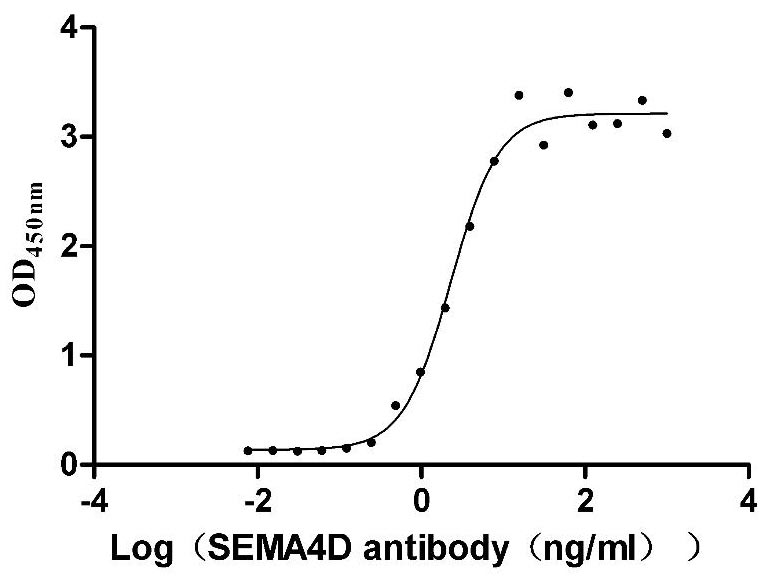
Recombinant Macaca mulatta Semaphorin-4D isoform 1 (SEMA4D), partial (Active)
Express system: Mammalian cell
Species: Macaca mulatta (Rhesus macaque)
-
-AC1.jpg)
Recombinant Human Microtubule-associated protein tau (MAPT) (Active)
Express system: Mammalian cell
Species: Homo sapiens (Human)
-
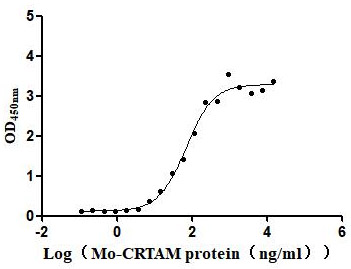
Recombinant Mouse Cell adhesion molecule 1 (Cadm1), partial (Active)
Express system: Mammalian cell
Species: Mus musculus (Mouse)
-
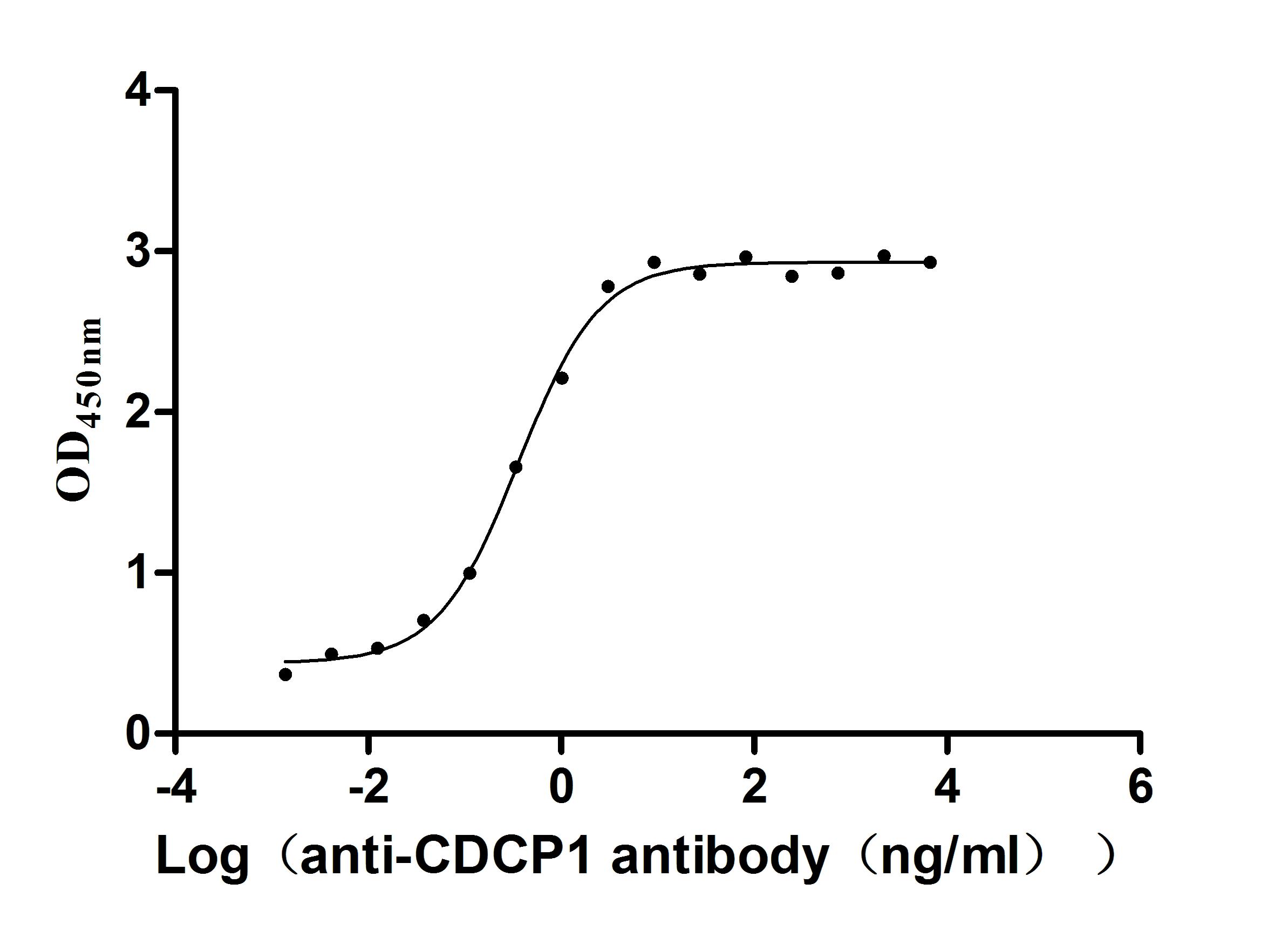
Recombinant Human CUB domain-containing protein 1 (CDCP1), partial (Active)
Express system: Mammalian cell
Species: Homo sapiens (Human)
-
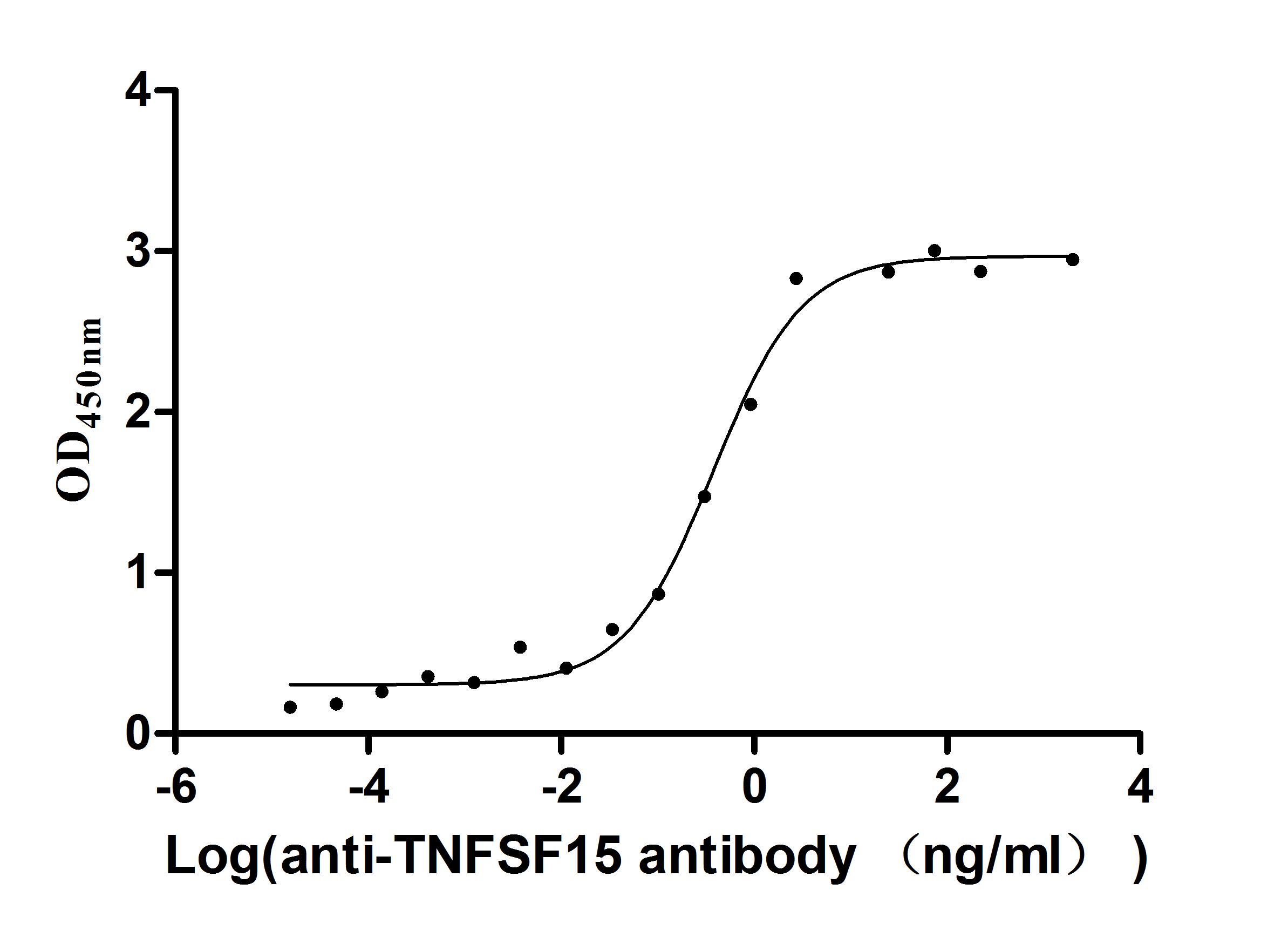
Express system: Mammalian cell
Species: Homo sapiens (Human)
-
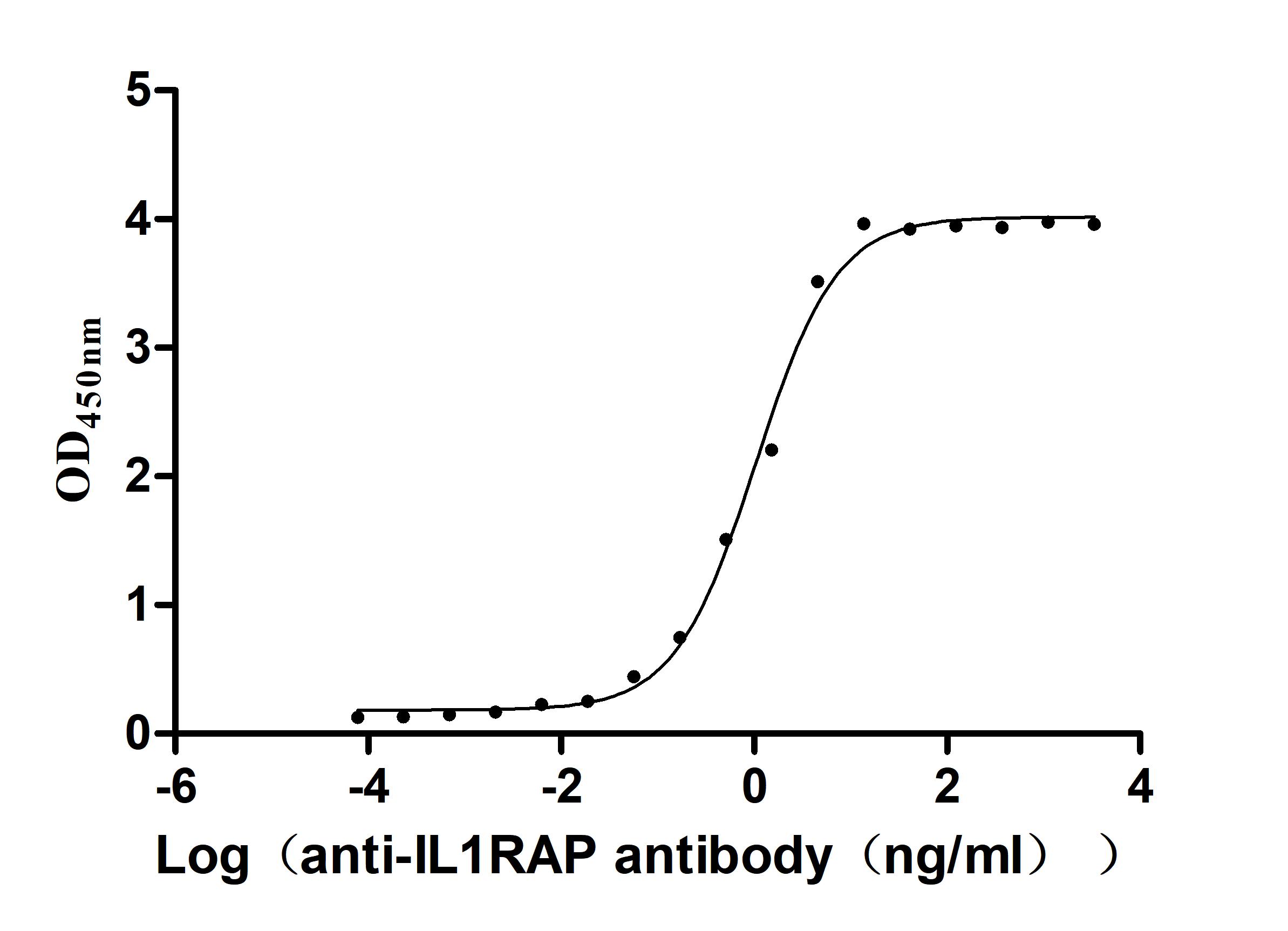
Recombinant Macaca fascicularis Interleukin 1 receptor accessory protein(IL1RAP), partial (Active)
Express system: Mammalian cell
Species: Macaca fascicularis (Crab-eating macaque) (Cynomolgus monkey)