Mouse Growth/differentiation factor 15(GDF15) ELISA kit
-
中文名稱:小鼠生長分化因子15(GDF15)酶聯(lián)免疫試劑盒
-
貨號:CSB-EL009345MO
-
規(guī)格:96T/48T
-
價格:¥3600/¥2500
-
促銷:

-
其他:
產(chǎn)品詳情
-
產(chǎn)品描述:小鼠生長分化因子15(GDF15)酶聯(lián)免疫試劑盒(CSB-EL009345MO)為雙抗夾心法ELISA試劑盒。GDF15屬于TGF-β超家族成員,在細(xì)胞應(yīng)激時表達(dá)上調(diào)。其作為應(yīng)激反應(yīng)細(xì)胞因子,能調(diào)節(jié)能量代謝等生理過程。研究聚焦于它在代謝性疾病(如肥胖、糖尿病)及癌癥等領(lǐng)域的作用機(jī)制,有望為相關(guān)疾病診療提供新思路。試劑盒支持科研人員探究GDF15在代謝綜合征、肥胖相關(guān)疾病、心血管異常及腫瘤微環(huán)境調(diào)控等領(lǐng)域的分子機(jī)制,為動物模型研究提供可靠工具;適用于實(shí)驗(yàn)室常規(guī)檢測本品僅用于科研,不用于臨床診斷,產(chǎn)品具體參數(shù)及操作步驟詳見產(chǎn)品說明書。
-
別名:Gdf15 ELISA Kit; Mic1 ELISA Kit; SbfGrowth/differentiation factor 15 ELISA Kit; GDF-15 ELISA Kit; Macrophage inhibitory cytokine 1 ELISA Kit; MIC-1 ELISA Kit
-
縮寫:
-
Uniprot No.:
-
種屬:Mus musculus (Mouse)
-
反應(yīng)時間:1-5h
-
樣本體積:50-100ul
-
檢測波長:450 nm
-
研究領(lǐng)域:Signal Transduction
-
測定原理:quantitative
-
測定方法:Sandwich
-
精密度:
-
線性度:
-
回收率:
-
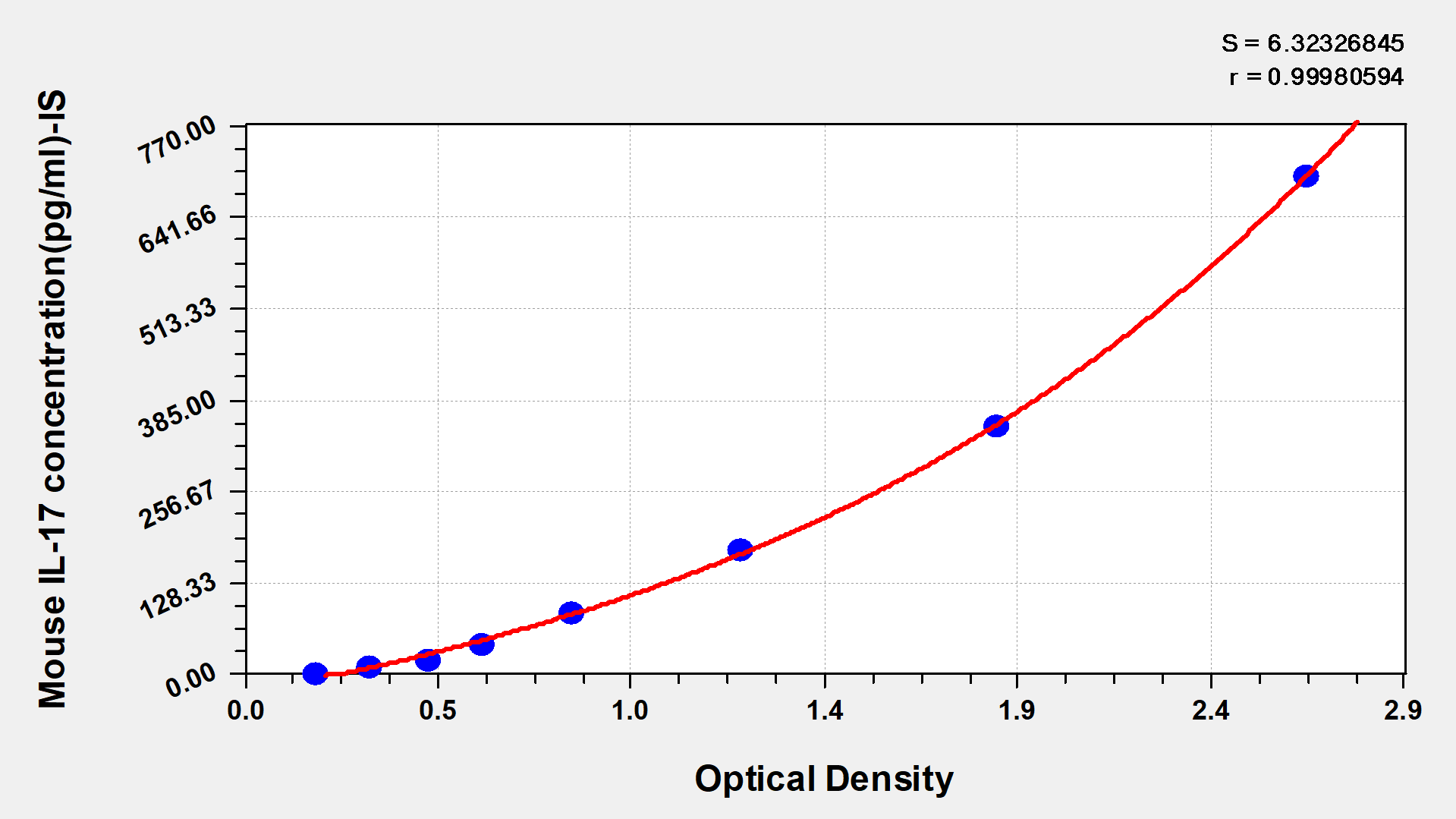
標(biāo)準(zhǔn)曲線:
-
數(shù)據(jù)處理:
-
貨期:3-5 working days
引用文獻(xiàn)
- Parishin alleviates vascular ageing in mice by upregulation of Klotho X Zhao,Journal of cellular and molecular medicine,2023
產(chǎn)品評價

相關(guān)產(chǎn)品
靶點(diǎn)詳情
-
功能:Regulates food intake, energy expenditure and body weight in response to metabolic and toxin-induced stresses. Binds to its receptor, GFRAL, and activates GFRAL-expressing neurons localized in the area postrema and nucleus tractus solitarius of the brainstem. It then triggers the activation of neurons localized within the parabrachial nucleus and central amygdala, which constitutes part of the 'emergency circuit' that shapes feeding responses to stressful conditions. On hepatocytes, inhibits growth hormone signaling.
-
基因功能參考文獻(xiàn):
- GDF15 is a myokine secreted by aging-related stress and may control aging phenotype PMID: 29491220
- Membrane-protein extraction and use of an intracellular protein-transport inhibitor showed that GDF-15 promoted CaV3.1 and CaV3.3 alpha-subunit expression by trafficking to the membrane. PMID: 27353765
- CHOP activates Gdf15 transcription via binding to its promoter upon endoplasmic reticulum stress. PMID: 28847729
- The ANT1-deficient muscle mitochondria produce excess reactive oxygen species (ROS) and are partially uncoupled. Hence, the muscle respiration under nonphosphorylating conditions is increased. Muscle transcriptome analysis revealed the induction of mitochondrial biogenesis, down-regulation of diabetes-related genes, and increased expression of the genes encoding the myokines FGF21 and GDF15. PMID: 28223503
- isolating GFRAL as the receptor for GDF15-induced anorexia and weight loss, the identification of a mechanistic basis for the non-homeostatic regulation of neural circuitry by a peripheral signal associated with tissue damage and stress; findings provide opportunities to develop therapeutic agents for the treatment of disorders with altered energy demand PMID: 28953886
- These data suggest that GDF15 is required for IL-13-induced improvement of glucose intolerance in mice fed an HFD. PMID: 28874416
- HIF-1alpha and GDF15 expression are inversely related under normoxia and hyperoxia. PMID: 28734801
- This is the first study defining the role of Mic-1/Gdf15 in a number of behavioural domains. PMID: 28081177
- epithelial restitution was promoted by enhanced NAG-1 expression and subsequent enterocyte locomotion during the early wound-healing process PMID: 27421482
- GDF15 is a potent mitohormetic signal that safeguards against the onset of obesity and insulin resistance. PMID: 27986797
- The aim of this study was to identify the role of endogenous Gdf-15 in the MPTP (1-methyl-4-phenyl-1,2,3,6-tetrahydropyridine) mouse model of Parkinson's disease (PD) by comparing Gdf-15 (+/+) and Gdf-15 (-/-) mice. PMID: 27115420
- The results of this study indicated the importance of Gdf-15 in promoting survival of DAergic neurons and regulating the inflammatory response post 6-OHDA lesion. PMID: 26733415
- endogenous Growth/differentiation factor-15 is beneficial for axon regeneration following sciatic nerve crush PMID: 26077927
- repeated cisterna magna administration of human umbilical cord blood-derived mesenchymal stem cells enhanced endogenous adult hippocampal neurogenesis and synaptic activity through a paracrine factor of GDF-15 PMID: 26154268
- Levels of GDF-15 mRNA increased 2 h after induction of ventilator-induced lung injury in WT lungs. Non-hematopoietic cells are the main source of GDF-15. GDF-15 is required for platelet-leukocyte interactions during ventilator-induced lung injury. PMID: 25948320
- hNAG-1 appears to be a novel therapeutic target in preventing and treating obesity and insulin resistance. PMID: 24531647
- Collectively, hNAG-1 is an important regulator of mammalian longevity and may act as a survival factor. PMID: 25239873
- Counterbalance between MIC-1 and ATF3 is critical for deciding the fate of enterocytes under the food chemical stress. PMID: 25180886
- Growth differentiation factor 15, a marker of lung involvement in systemic sclerosis, is involved in fibrosis development but is not indispensable for fibrosis development. PMID: 24504814
- Growth/differentiation factor 15 promotes EGFR signalling, and regulates proliferation and migration in the hippocampus of neonatal and young adult mice. PMID: 24496615
- GDF-15 is therefore prominently upregulated in the retina after optic nerve crush but does not directly interfere with the magnitude and temporal progression of retinal ganglion cell death. PMID: 23640134
- GDF15 protects the renal interstitium and tubular compartment in experimental type 1 and 2 diabetes without affecting glomerular damage PMID: 23986522
- Enteropathogenic Escherichia coli enhances MIC-1 gene expression in the human intestinal cancer cells PMID: 23503457
- knockdown of MIC-1 can decrease RNPC1-induced cell growth suppression. PMID: 23836903
- This is the first study that demonstrates a protective role of GDF-15 in advanced atherosclerosis and macrophage accumulation, possibly due to the reduced expression of adhesion molecules. PMID: 23800095
- MIC-1/GDF15 is involved in the physiological regulation of appetite and energy storage. PMID: 23468844
- GDF-15 specifically inhibits platelet integrin activation, preventing thrombus formation. PMID: 23231375
- GDF-15 is involved in orchestrating atherosclerotic lesion progression by regulating apoptotic cell death and IL-6-dependent inflammatory responses to vascular injury. PMID: 23316317
- Increased expression of the TGF-b superfamily cytokine MIC-1/GDF15 protects ApoE(-/-) mice from the development of atherosclerosis. PMID: 22386250
- GDF15 impairs aortic contractile and relaxing function through an endothelium-dependent mechanism involving altered caveolar endothelial NO synthase signaling. PMID: 23262134
- MIC-1/GDF15 has complex actions on tumor behavior PMID: 22952779
- identified the secreted protein follistatin-like 1 (FSTL1) as an inducer of GDF15 production. PMID: 22675198
- The work shows that the molecule MIC-1/GDF15 might be beneficial for the treatment of obesity as well as perturbations in glucose homeostasis. PMID: 22514681
- These findings suggest that GDF15 could play a pivotal role in the pathogenesis of bone loss relevant to hypoxia. PMID: 22190281
- coronary artery ligation in Gdf15-deficient mice led to enhanced recruitment of polymorphonuclear leukocytes into the infarcted myocardium and an increased incidence of cardiac rupture PMID: 21516086
- Regulation of GDF-15, a distant TGF-beta superfamily member, in a mouse model of cerebral ischemia. PMID: 21128084
- GDF-15 deletion has a beneficial effect both in early and later atherosclerosis by inhibition of CCR2-mediated chemotaxis and by modulating cell death. PMID: 21242297
- GDF-15 at endogenous levels contributes to proliferation and immune escape of malignant gliomas in an immunocompetent host. PMID: 20534737
- Data show that MIC-1 is secreted from melanoma cells together with VEGF to promote vascular development mediated by (V600E)B-Raf signaling. PMID: 20431030
- GDF-15 prevents apoptosis in cerebellar granule neurons by activating Akt and inhibiting endogenously active ERK PMID: 12514175
- GDF-15/MIC-1 is an early mediator of the injury response in kidney and lung PMID: 15897808
- GDF-15 induction is an immediate early response to liver injury that can occur through TNF and p53 independent pathways PMID: 16154591
- GDF15 is a novel autocrine/endocrine factor that antagonizes the hypertrophic response and loss of ventricular performance. PMID: 16397142
- gdf15 is a growth factor with dual function either promoting proliferation or growth arrest and differentiation due most likely to differences in cellular differentiation PMID: 17286605
- GDF-15 has no apparent effect on hepatocellular carcinoma (HCC) tumor formation rate, growth rate or invasiveness in diethylnitrosamine-induced HCC in vivo. PMID: 18210153
- Data conclude that MIC-1 is expressed in adipose tissue and secreted from adipocytes and is therefore a new adipokine. MIC-1 may have a paracrine role in the modulation of adipose tissue function and body fat mass. PMID: 19074584
- a possible inverse relationship exists between the expression of NAG-1 and COX-2 in tumor formation of colon tissue. PMID: 19375854
- the NAG-1 protein inhibits urethane-induced tumor formation PMID: 19401523
- Despite striking similarities in the GDF-15 and CNTF knock-out phenotypes, expression levels of CNTF and other neurotrophic factors in the sciatic nerve were unaltered suggesting that GDF-15 is a genuine novel trophic factor for motor and sensory neurons. PMID: 19864576
顯示更多
收起更多
-
亞細(xì)胞定位:Secreted.
-
蛋白家族:TGF-beta family
-
組織特異性:Highly expressed in liver. Detected in plasma (at protein level). Expressed by cardiomyocytes, expression is highly increased in heart diseases. Also detected in subcutaneous fat.
-
數(shù)據(jù)庫鏈接:
Most popular with customers
-
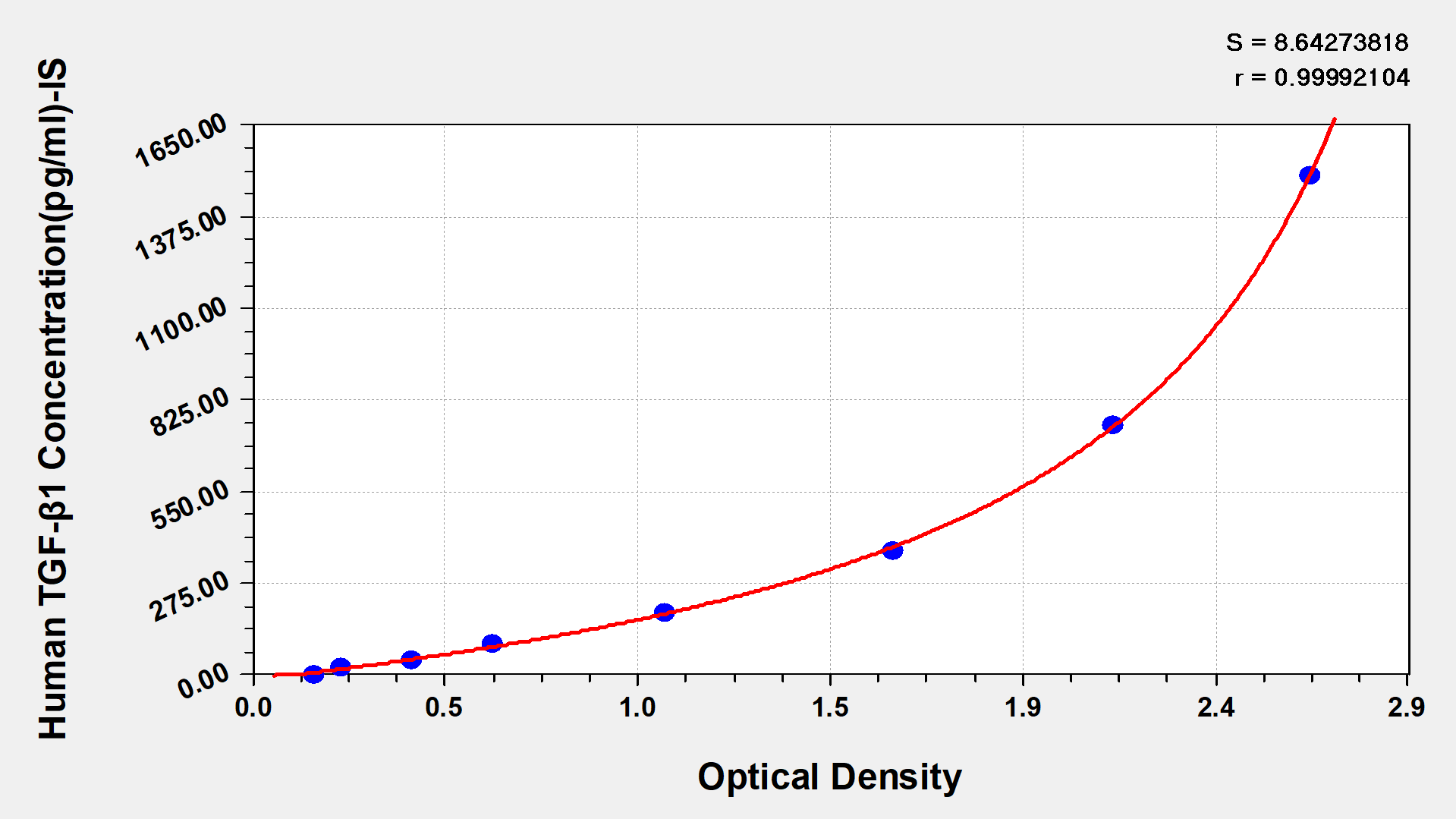
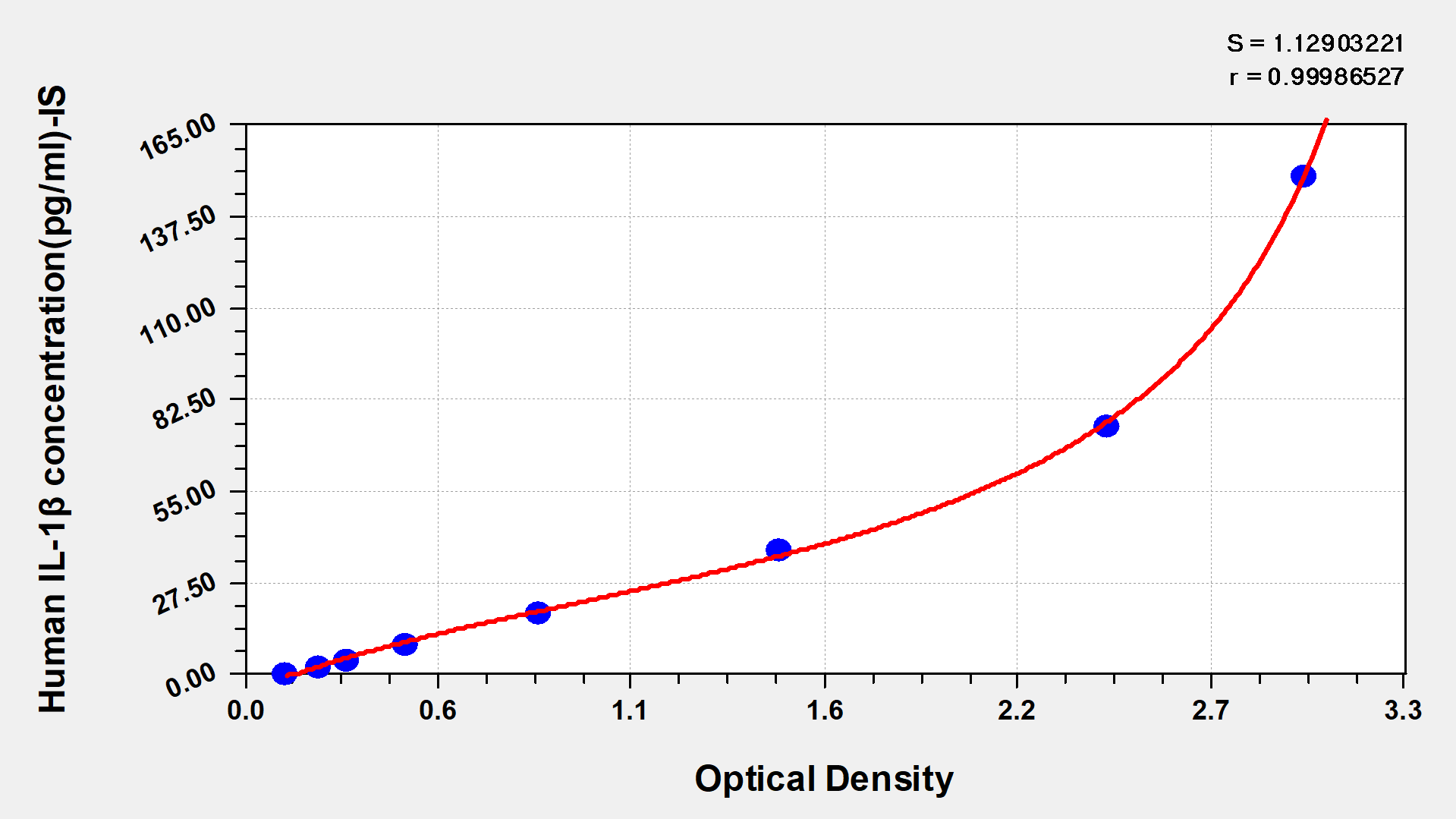
Human Transforming Growth factor β1,TGF-β1 ELISA kit
Detect Range: 23.5 pg/ml-1500 pg/ml
Sensitivity: 5.8 pg/ml
-
-
-
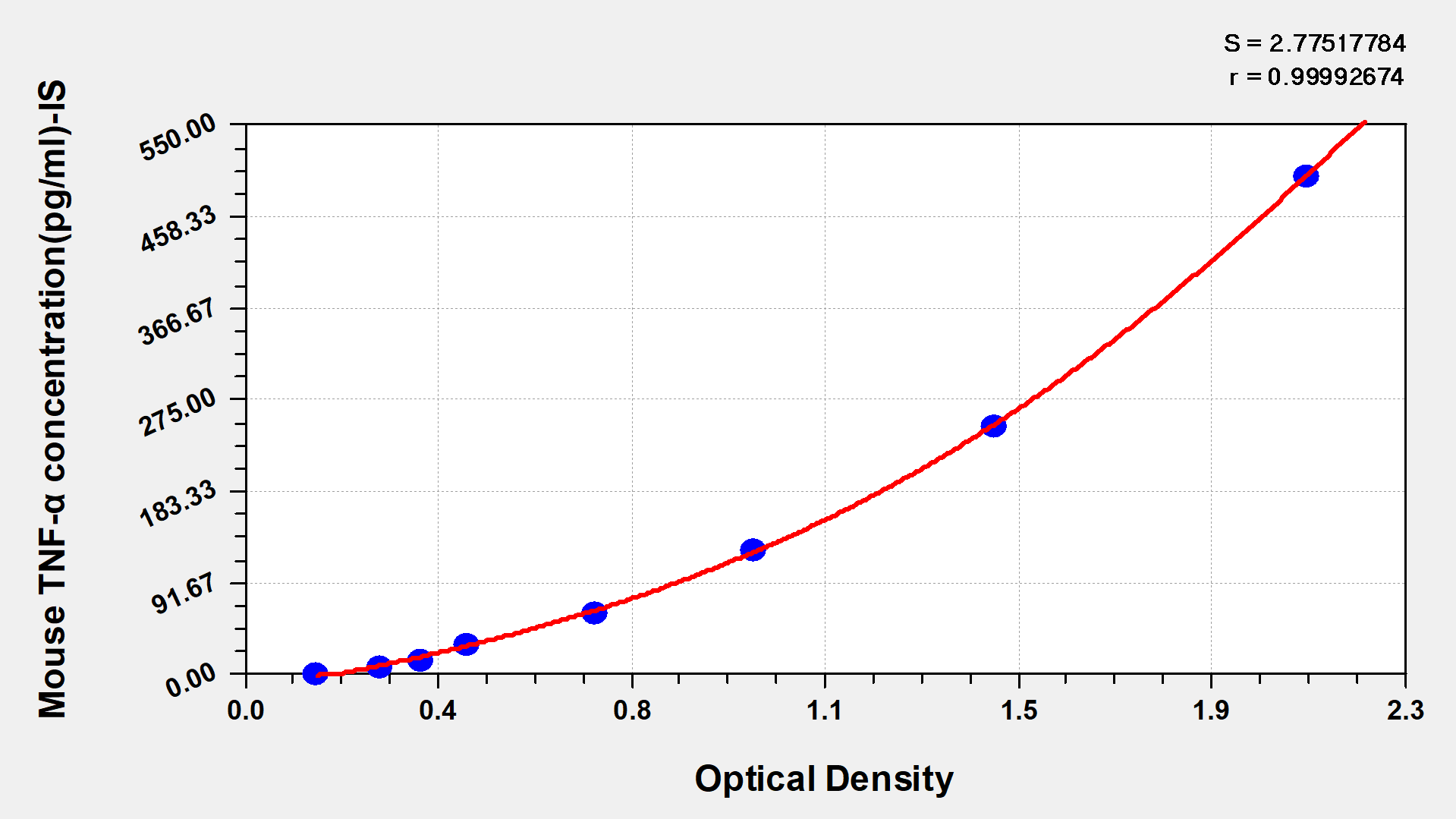
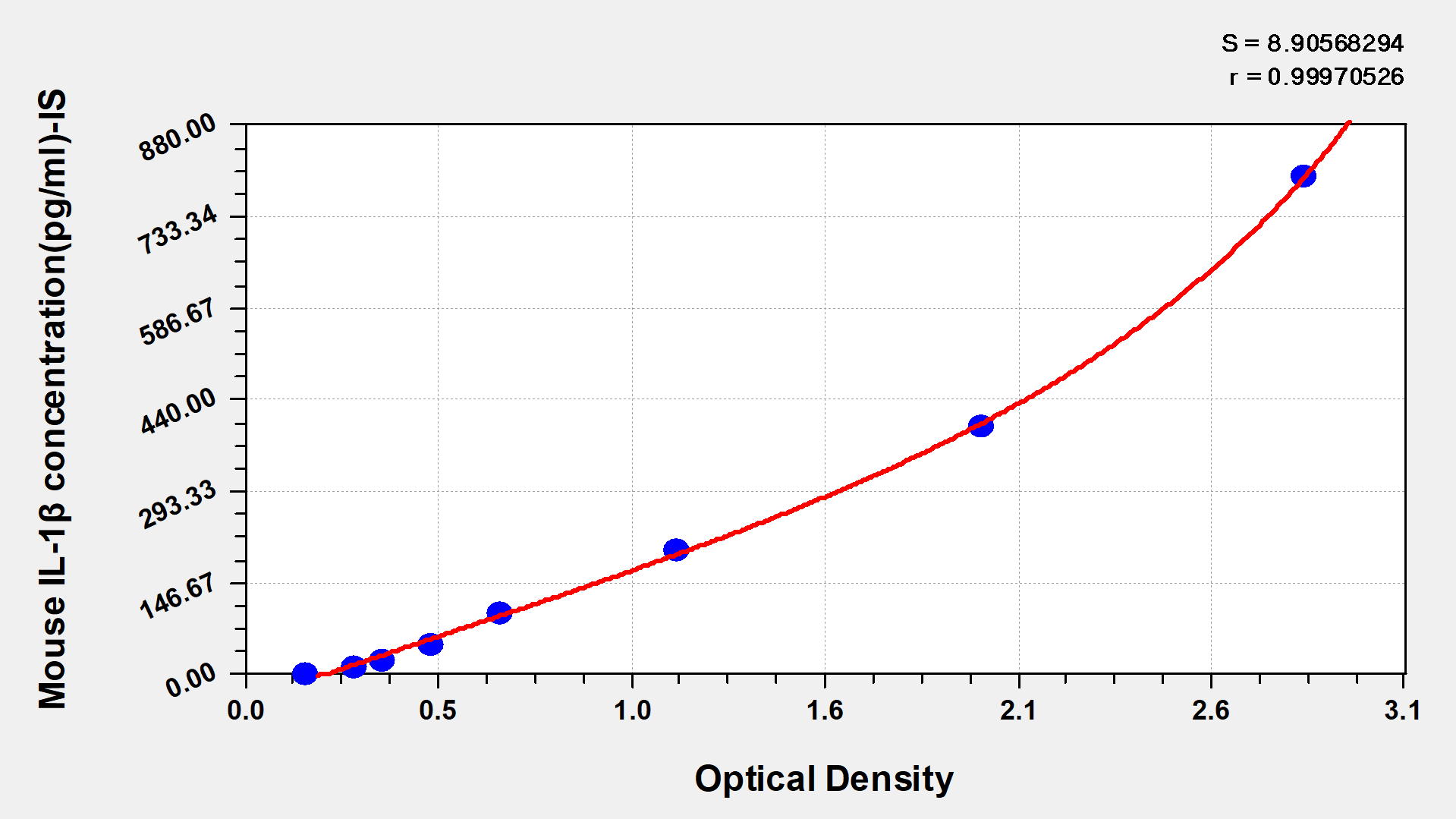
Mouse Tumor necrosis factor α,TNF-α ELISA Kit
Detect Range: 7.8 pg/ml-500 pg/ml
Sensitivity: 1.95 pg/ml
-
-
-
-