Recombinant Rat Melanopsin (Opn4)
In Stock-
中文名稱:大鼠Opn4重組蛋白
-
品名簡稱:Recombinant Rat Opn4 protein
-
貨號:CSB-CF851271RA
-
說明書:
-
規(guī)格:¥9720
-
圖片:
-
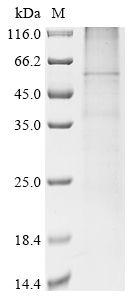 (Tris-Glycine gel) Discontinuous SDS-PAGE (reduced) with 5% enrichment gel and 15% separation gel.
-
-
其他:
產品詳情
-
純度:Greater than 85% as determined by SDS-PAGE.
-
基因名:
-
Uniprot No.:
-
種屬:Rattus norvegicus (Rat)
-
蛋白長度:Full Length
-
來源:in vitro E.coli expression system
-
分子量:53.9 kDa
-
表達區(qū)域:1-474aa
-
氨基酸序列MNSPSESRVPSSLTQDPSFTASPALLQGIWNSTQNISVRVQLLSVSPTTPGLQAAAWVPFPTVDVPDHAHYTLGTVILLVGLTGMLGNLTVIYTFCRNRGLRTPANMLIINLAVSDFLMSFTQAPVFFASSLYKKWLFGETGCKFYAFCGAVFGIVSMITLTAIAMDRYLVITRPLATIGMRSKRRTALVLLGVWLYALAWSLPPFFGWSAYVPEGLLTSCSWDYVTFTPLVRAYTMLLFCFVFFLPLLIIIFCYIFIFRAIRETGRACEGCGESPLRRRQWQRLQSEWKMAKVALIVILLFVLSWAPYSTVALVGFAGYSHILTPYMSSVPAVIAKASAIHNPIIYAITHPKYRAAIAQHLPCLGVLLGVSGQRSHPSLSYRSTHRSTLSSQSSDLSWISGQKRQESLGSESEVGWTDTETTAAWGAAQQASGQSFCSHDLEDGEVKAPSSPQEQKSKTPKTKRHLPSLDRRM
Note: The complete sequence may include tag sequence, target protein sequence, linker sequence and extra sequence that is translated with the protein sequence for the purpose(s) of secretion, stability, solubility, etc.
If the exact amino acid sequence of this recombinant protein is critical to your application, please explicitly request the full and complete sequence of this protein before ordering. -
蛋白標簽:N-terminal 10xHis-tagged
-
產品提供形式:Liquid or Lyophilized powder
Note: We will preferentially ship the format that we have in stock, however, if you have any special requirement for the format, please remark your requirement when placing the order, we will prepare according to your demand. -
緩沖液:If the delivery form is liquid, the default storage buffer is Tris/PBS-based buffer, 5%-50% glycerol. If the delivery form is lyophilized powder, the buffer before lyophilization is Tris/PBS-based buffer, 6% Trehalose.
-
復溶:We recommend that this vial be briefly centrifuged prior to opening to bring the contents to the bottom. Please reconstitute protein in deionized sterile water to a concentration of 0.1-1.0 mg/mL.We recommend to add 5-50% of glycerol (final concentration) and aliquot for long-term storage at -20℃/-80℃. Our default final concentration of glycerol is 50%. Customers could use it as reference.
-
儲存條件:Store at -20°C/-80°C upon receipt, aliquoting is necessary for mutiple use. Avoid repeated freeze-thaw cycles.
-
保質期:The shelf life is related to many factors, storage state, buffer ingredients, storage temperature and the stability of the protein itself.
Generally, the shelf life of liquid form is 6 months at -20°C/-80°C. The shelf life of lyophilized form is 12 months at -20°C/-80°C. -
貨期:3-7 business days
-
注意事項:Repeated freezing and thawing is not recommended. Store working aliquots at 4°C for up to one week.
-
Datasheet & COA:Please contact us to get it.
產品評價

相關產品
靶點詳情
-
功能:Photoreceptor that binds cis-retinaldehydes. Contributes to pupillar reflex, photoentrainment and other non-image forming responses to light. May be involved in the optokinetic visual tracking response. May be involved in the regulation of retinal hyaloid vessel growth and regression.
-
基因功能參考文獻:
- during retinal degeneration, the expression of melanopsin was significantly decreased, while vector-mediated overexpression of melanopsin delayed the loss of visual function in rats. PMID: 26572076
- Following ON injury or retrograde tracing there is a transient melanopsin downregulation that should be taken into account when assessing m(+)RGC survival. PMID: 26176868
- Data indicate that the phosphorylation status of melanopsin influences its functions. PMID: 25378407
- Early light exposure can increase the number of melanopsin immunopositive retinal ganalion cells through a process dependent on intrinsic photosensitive spiking activity. PMID: 23541830
- We found that light and darkness are important for regulation of melanopsin protein expression whereas input from a retinal networks regulates melanopsin mRNA expression. PMID: 23187103
- overexpression of mir133b decreased TH and D2 receptor expression as well as dopamine production, which finally resulted in reduced melanopsin expression PMID: 22101014
- Melanopsin expression defines a subset of RGCs that play a broad role in regulation of nonvisual photoreception, providing projections that contribute to circadian entrainment, negative masking, regulation of sleep-wake states, and the pupillary reflex PMID: 12904470
- Melanopsin, in itself, is not necessary for circadian photoreception. In fact, it appears that of the known photoreceptor systems, none, in and of itself, is necessary for circadian photoreception. PMID: 14500998
- During rat retinal development melanopsin is expressed at prenatal day 18 in cells of the inner neuroblast layer. and During early postnatal development a melanopsin immunoreactive dendritic network is formed in the inner plexiform layer. PMID: 15073514
- We investigated the effect of photoreceptor degeneration on melanopsin mRNA regulation in RCS/N-rdy rats (Royal College of Surgeons rats with a defect in the retinal dystrophy gene). PMID: 15509757
- Data suggest that retinal ganglion cells adapt their expression of the putative circadian photopigment melanopsin to environmental light and darkness. PMID: 16186625
- Regulation of melanopsin expression [review] PMID: 16687290
- melanopsin-containing RGCs have synaptic contact with PKC/CtBP2-containing rod bipolar cells PMID: 17652756
- the daily and photoperiod-dependent regulation of the melanopsin gene does not rely on a circadian oscillator but is directly illumination-dependent PMID: 18001324
- The PI3 K/Akt pathway was found to play a role in maintaining the survival of melanopsin-expressing retinal ganglion cells after injury. PMID: 18512147
顯示更多
收起更多
-
亞細胞定位:Cell membrane; Multi-pass membrane protein. Cell projection, axon. Cell projection, dendrite. Perikaryon.
-
蛋白家族:G-protein coupled receptor 1 family, Opsin subfamily
-
組織特異性:Eye; expressed in a photosensitive subset of retinal ganglion cells (at protein level).
-
數(shù)據(jù)庫鏈接:
Most popular with customers
-
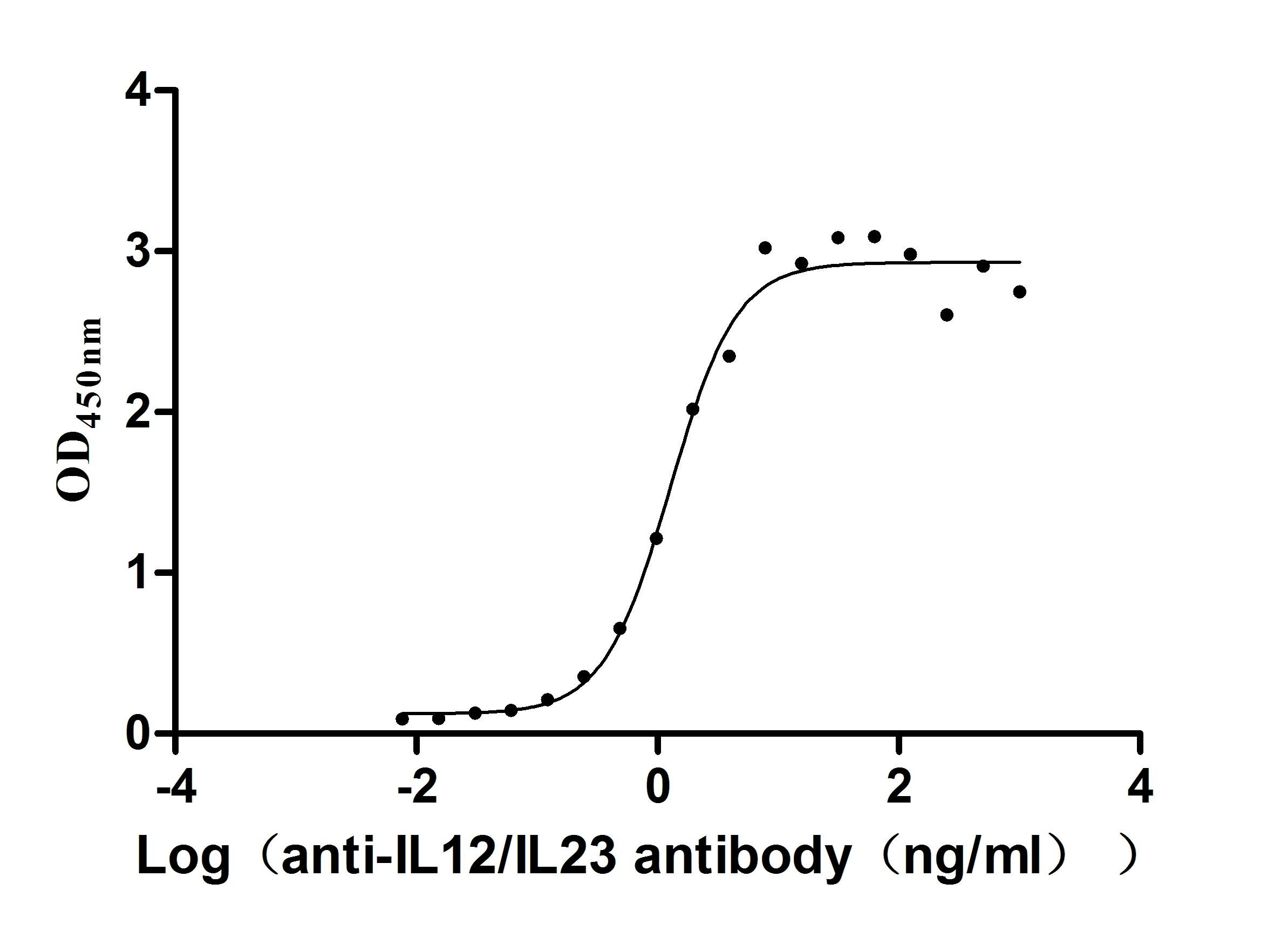
Recombinant Human IL12B&IL12A Heterodimer Protein (Active)
Express system: Mammalian cell
Species: Homo sapiens (Human)
-
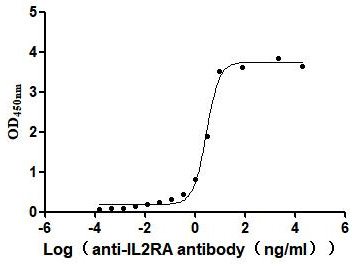
Recombinant Human Interleukin-2 receptor subunit alpha (IL2RA), partial (Active)
Express system: Mammalian cell
Species: Homo sapiens (Human)
-
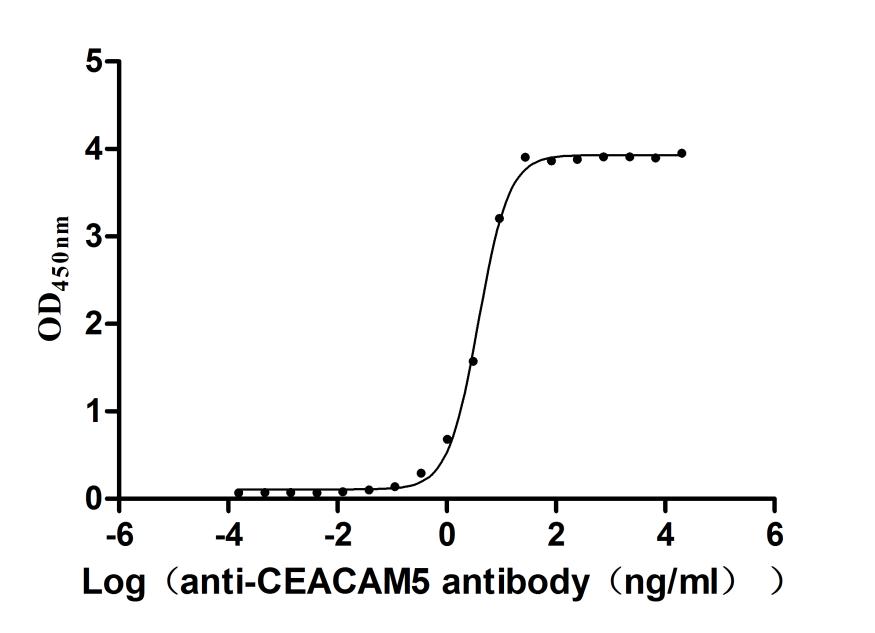
Express system: Mammalian cell
Species: Macaca mulatta (Rhesus macaque)
-
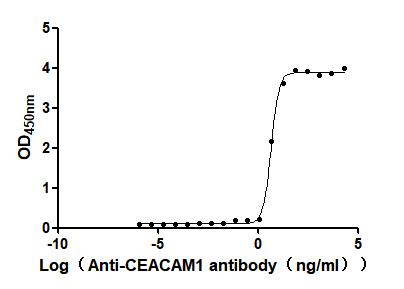
Express system: Mammalian cell
Species: Homo sapiens (Human)
-
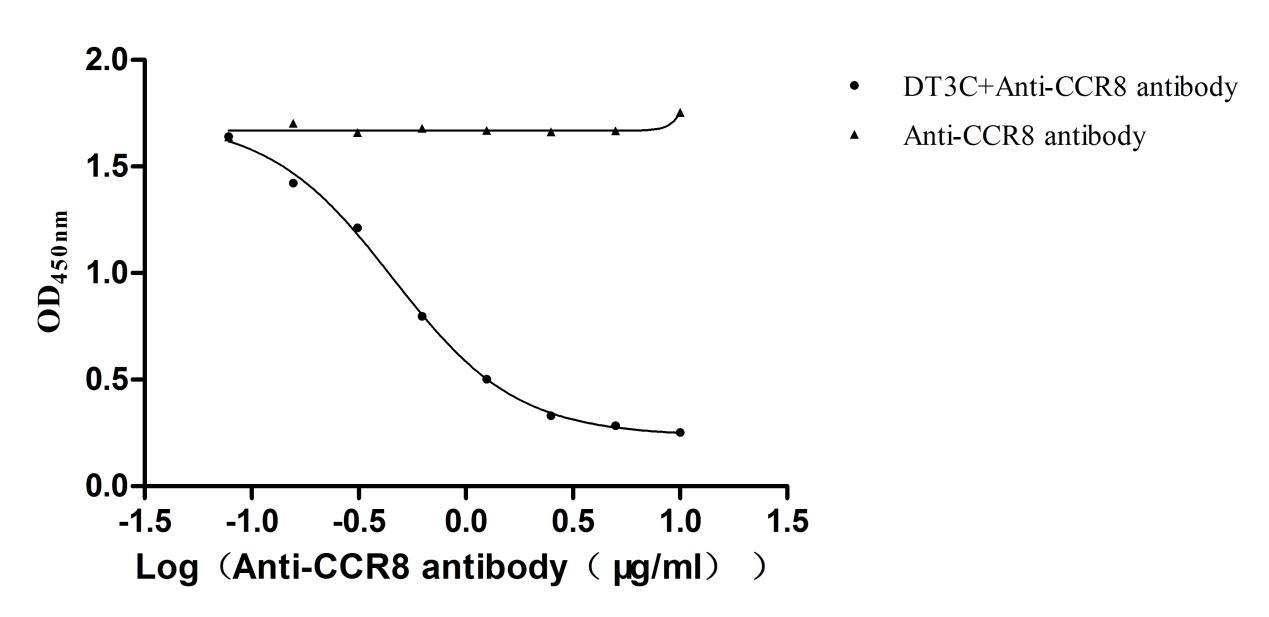
Recombinant DT3C (Diphtheria toxin & spg 3C domain) for Antibody Internalization Assay (Active)
Express system: E.coli
Species: N/A