Recombinant Rat C-C motif chemokine 2 (Ccl2)
-
中文名稱:Recombinant Rat C-C motif chemokine 2(Ccl2)
-
貨號(hào):CSB-YP004783RA
-
規(guī)格:
-
來(lái)源:Yeast
-
其他:
-
中文名稱:Recombinant Rat C-C motif chemokine 2(Ccl2)
-
貨號(hào):CSB-EP004783RA
-
規(guī)格:
-
來(lái)源:E.coli
-
其他:
-
中文名稱:Recombinant Rat C-C motif chemokine 2(Ccl2)
-
貨號(hào):CSB-EP004783RA-B
-
規(guī)格:
-
來(lái)源:E.coli
-
共軛:Avi-tag Biotinylated
E. coli biotin ligase (BirA) is highly specific in covalently attaching biotin to the 15 amino acid AviTag peptide. This recombinant protein was biotinylated in vivo by AviTag-BirA technology, which method is BriA catalyzes amide linkage between the biotin and the specific lysine of the AviTag.
-
其他:
-
中文名稱:Recombinant Rat C-C motif chemokine 2(Ccl2)
-
貨號(hào):CSB-BP004783RA
-
規(guī)格:
-
來(lái)源:Baculovirus
-
其他:
-
中文名稱:Recombinant Rat C-C motif chemokine 2(Ccl2)
-
貨號(hào):CSB-MP004783RA
-
規(guī)格:
-
來(lái)源:Mammalian cell
-
其他:
產(chǎn)品詳情
-
純度:>85% (SDS-PAGE)
-
基因名:
-
Uniprot No.:
-
別名:Ccl2; Je; Mcp1; Scya2; C-C motif chemokine 2; Immediate-early serum-responsive protein JE; Monocyte chemoattractant protein 1; Monocyte chemotactic protein 1; MCP-1; Small-inducible cytokine A2
-
種屬:Rattus norvegicus (Rat)
-
蛋白長(zhǎng)度:Full Length of Mature Protein
-
表達(dá)區(qū)域:24-148
-
氨基酸序列QPDAVNA PLTCCYSFTG KMIPMSRLEN YKRITSSRCP KEAVVFVTKL KREICADPNK EWVQKYIRKL DQNQVRSETT VFYKIASTLR TSAPLNVNLT HKSEANASTL FSTTTSSTSV EVTSMTEN
-
蛋白標(biāo)簽:Tag?type?will?be?determined?during?the?manufacturing?process.
The tag type will be determined during production process. If you have specified tag type, please tell us and we will develop the specified tag preferentially. -
產(chǎn)品提供形式:Lyophilized powder
Note: We will preferentially ship the format that we have in stock, however, if you have any special requirement for the format, please remark your requirement when placing the order, we will prepare according to your demand. -
復(fù)溶:We recommend that this vial be briefly centrifuged prior to opening to bring the contents to the bottom. Please reconstitute protein in deionized sterile water to a concentration of 0.1-1.0 mg/mL.We recommend to add 5-50% of glycerol (final concentration) and aliquot for long-term storage at -20℃/-80℃. Our default final concentration of glycerol is 50%. Customers could use it as reference.
-
儲(chǔ)存條件:Store at -20°C/-80°C upon receipt, aliquoting is necessary for mutiple use. Avoid repeated freeze-thaw cycles.
-
保質(zhì)期:The shelf life is related to many factors, storage state, buffer ingredients, storage temperature and the stability of the protein itself.
Generally, the shelf life of liquid form is 6 months at -20°C/-80°C. The shelf life of lyophilized form is 12 months at -20°C/-80°C. -
貨期:Delivery time may differ from different purchasing way or location, please kindly consult your local distributors for specific delivery time.Note: All of our proteins are default shipped with normal blue ice packs, if you request to ship with dry ice, please communicate with us in advance and extra fees will be charged.
-
注意事項(xiàng):Repeated freezing and thawing is not recommended. Store working aliquots at 4°C for up to one week.
-
Datasheet :Please contact us to get it.
產(chǎn)品評(píng)價(jià)

相關(guān)產(chǎn)品
靶點(diǎn)詳情
-
功能:Acts as a ligand for C-C chemokine receptor CCR2. Signals through binding and activation of CCR2 and induces a strong chemotactic response and mobilization of intracellular calcium ions. Exhibits a chemotactic activity for monocytes and basophils but not neutrophils or eosinophils. Plays an important role in mediating peripheral nerve injury-induced neuropathic pain. Increases NMDA-mediated synaptic transmission in both dopamine D1 and D2 receptor-containing neurons, which may be caused by MAPK/ERK-dependent phosphorylation of GRIN2B/NMDAR2B.
-
基因功能參考文獻(xiàn):
- Study shows that the unique combination of monocyte chemoattractant protein-1 andsecreted ectodomain of sialic acid-binding Ig-like lectin-9 ameliorates rat acute liver failure by inhibiting hepatocellular apoptosis and promoting liver regeneration through the induction of anti-inflammatory/tissue-repairing M2 macrophages. PMID: 28272428
- Light exposure led to apoptosis of photoreceptors, which expressed CCL2, accelerating an inflammation-mediated cascade by activating and attracting microglia and monocytes and promoting their secretion of CCL2 in the injured position. PMID: 29142497
- MCP-1/sSiglec-9 regenerates peripheral nerves by inducing tissue-repairing M2 macrophages. PMID: 27862629
- Tibial fracture surgery in a rat model promoted CCL2 upregulation in activated astrocytes, increased CCR2 expression in activated microglia, and induced deficits in learning and memory. Site-directed pre-injection of RS504393, a CCR2 antagonist, inhibited this effect by reducing microglial activation, M1 polarization, inflammatory cytokines, and neuronal injury and death and improving cognitive function. PMID: 28587818
- Low wall shear stress concomitant with turbulent flow contributes to sustained expression of MCP-1 in endothelial cells and presumably plays a role in facilitating macrophage infiltration and exacerbating inflammation, which leads to enlargement or rupture of intracranial aneurysms. PMID: 27160403
- An association between serum MCP-1 and SDF-1 concentrations and behavioral manifestations of neuropathic pain. PMID: 26974138
- The increase of MCP-1 accompanying the development of hypoxic pulmonary hypertension probably originates from other sources than alveolar macrophages. PMID: 27429111
- Dexmedetomidine is a potent suppressor of MCP-1 in astrocytes induced with lipopolysaccharide through alpha2A-adrenergic receptors, which potentially explains its beneficial effects in the treatment of delirium by attenuating neuroinflammation. PMID: 28286770
- This study showed that CCL2, NF-kappaB1, RAC2, FCER1G and C1Q may contribute to the generation of neuropathic pain after sciatic nerve injury via immune and defense pathways. PMID: 28033741
- Results demonstrate that prenatal high-fat diet exposure greatly disturbs the functioning of the CCL2 chemokine system in embryonic hypothalamic neurons, reducing its endogenous levels and ability to promote the migration of neurons and their expression of orexigenic peptides PMID: 26979053
- These results demonstrate that high glucose enhances MCs proliferation and MCP-1 expression by activating the ROS/NF-kappaB pathway and can be inhibited by EE. Our findings provide a new perspective for the clinical treatment of diabetic nephropathy . PMID: 26644089
- CCL2 mRNA is increased in adolescent brain, but not adult brain during withdrawal from chronic alcohol. PMID: 26556523
- Our study showed that hyperuricemia accelerates renal progression via a mechanism linked to high MCP-1 which may mediate the inflammation reaction of renal diseases induced by hyperuricemia. PMID: 25830624
- Report a dual effect of n-3 PUFAs on the regulation of Mcp-1 expression in vascular smooth muscle. PMID: 26402697
- Study identifies an innate neuronal TLR4 signal that functions in central nucleus of the amygdala and ventral tegmental area to regulate the initiation of excessive alcohol drinking through MCP-1 neurotransmission likely at the level of dopamine PMID: 25567426
- The expressions of MCP-1 proteins began to increase gradually after balloon injury and were obviously detected in the VSMC on the 4th and 7th day, until 14th day when it was still detected clearly in the proliferating intima. PMID: 26062549
- TGFalpha signaling stimulates cartilage degradation via a CCL2-dependent mechanism, but pharmacologic inhibition of the TGFalpha-CCL2 axis reduces experimental posttraumatic osteoarthritis progression in vivo. PMID: 26138996
- Inhibition of monocyte chemoattractant peptide-1 decreases secondary spinal cord injury PMID: 25672988
- Stromal cell-derived CCL2 (in contrast to CCL2 immune cell-derived) tightly controls monocyte/macrophage recruitment into the lesion and plays a major role in the development of neuropathic pain. PMID: 25449579
- Inhibition of S1PR2 down-regulate the expressions of SphK1 and MCP-1 in glomerular mesangial cells under high glucose. PMID: 25575056
- findings suggest that the LPS-miR-34a-CCL22 axis may contribute to the recruitment of Tregs in periapical lesions, providing a potential therapeutic target for controlling this disease PMID: 25817785
- role of CCL2 in monocyte trafficking into the retina in diabetic retinopathy PMID: 25329075
- aging can reduce the expression of CINC and MCP-1 mRNA in lung tissues, and reduce the infiltration of neutrophils and monocyte-macrophages induced by CINC and MCP-1. This might lead to increased risk of pneumonia in elderly patients. PMID: 24464584
- Serum concentration of chemokine (c-c motif) ligand 2, L-selectin and intra cellular adhesion molecule-1 also increased with growing tumor PMID: 25667449
- PKC-NF-kappaB are involved in CCL2-induced elevation of Nav1.8 current density by promoting the phosphorylation of Nav1.8 and its expression. PMID: 24724624
- IgE alone is sufficient to stimulate basophils to increase expression of MCP-1, which in turn might contribute to the inflammatory response. PMID: 24980870
- Results suggest that CCL2/CCR2 in the dorsal root ganglion and spinal cord is involved in the maintenance of lumbar disc herniation-induced pain PMID: 24462503
- MCP-1 induces persistent muscle hyperalgesia and latent chronic sensitization. PMID: 24637038
- This study indicates that TNF-alpha was released from the activated microglia induced by retinal neuronal MCP-1 via the p38, ERK, and NF-kappaB pathways, but not c-Jun N-terminal kinase. PMID: 24826069
- Epithelium-derived exosomal ATF3 RNA attenuates ischemia-reperfusion induced kidney injury by inhibiting MCP-1 gene transcription. PMID: 24420912
- Hesperetin-7-O-glucuronide decreased hydrogen peroxide-induced intracellular adhesion molecule-1 and monocyte chemoattractant protein-1 mRNA expression in rat aortic endothelial cells. PMID: 23831969
- osteoblast and osteocyte MCP-1 expression is an important mediator for the anabolic effects of PTH on bone. PMID: 23519994
- TGF-beta1 exhibits pro-inflammatory effects through the upregulation of MCP-1 in peritoneal fibrosis. Smad7 inhibits TGF-beta1 induced MCP-1 upregulation through a MAPK/p38-dependent pathway. PMID: 23242502
- An increase in dentate MCP-1 is associated with seizure-induced aberrant cell migration of neuronal progenitor cells. PMID: 23339567
- These data support an important role for MCP-1 in the early phase of stress fracture repair and activated remodeling PMID: 23460341
- The present study suggests that the expressed on endothelial cells and astrocytes are responsible for the recruitment of brain Iba1(+) /NG2(+) cells progenitors during the acute phase of stroke. PMID: 23400803
- Report functional roles for CCL2/CCR2 signaling at the level of the urinary bladder in reducing voiding frequency and somatic sensitivity following CYP-induced cystitis. PMID: 23594826
- MCP-1 and other bone matrix proteins might be involved in the formation of vascular lesions of diabetic nephropathy. PMID: 22812249
- glucocorticoid-mediated repression of IL-1beta-induced CCL2 gene transcription and protein secretion occurs in part through the upregulation of the MKP-1 gene PMID: 23056550
- High-dose losartan can effectively control blood pressure, reduce renal damage and fibrosis, and inhibit MCP1 and TGF-beta(1) expression in rats with unilateral ureteral obstruction. PMID: 21868333
- These results indicated that the increase in urinary CCL2 is associated with tubular injury and serves as a sensitive and noninvasive marker for the early detection of cisplatin-induced tubular injury. PMID: 23291264
- spinal neuronal MCP-1 is a key mediator of the spinal microglial activation and is involved in morphine antinociceptive tolerance PMID: 23187120
- MCP-1 upregulation in IC/BPS is one of possible contributing factors inducing histamine release from mast cells . PMID: 23049171
- Peptide fragment 29-40 of amino acid sequence of monocyte chemoattractant protein-1 (MCP-1) stimulates monocyte migration in vivo and facilitates wound healing. PMID: 23129286
- Xiongshao capsule could enhance the protective effect of ischemic postconditioning by inhibiting MCP-1 and TNF-alpha in rats with myocardial reperfusion injury. PMID: 21302491
- Upregulation of MCP-1 began during the early stage of DR and increased with the development of the disease. PMID: 23010641
- CCL2-CCR2 signaling cascades play a role in neuron-glia-cytokine interactions and the descending facilitation of neuropathic pain. PMID: 22466130
- These studies define new roles for glucocorticoid receptor, Y-box binding protein 1, and RNase UK114 in the formation of a molecular complex that degrades MCP-1 mRNA. PMID: 22801372
- MCP-1 through CCR2 was implicated in Angiotensin II-stimulated proliferation of vascular smooth muscle cells PMID: 22527942
- Altered pulmonary gene expression of PPARgamma and MCP-1 during late gestation may impair lung development and maturation, contributing to pulmonary hypoplasia in the nitrofen-induced congenital diaphragmatic hernia model. PMID: 22595559
顯示更多
收起更多
-
亞細(xì)胞定位:Secreted.
-
蛋白家族:Intercrine beta (chemokine CC) family
-
數(shù)據(jù)庫(kù)鏈接:
Most popular with customers
-
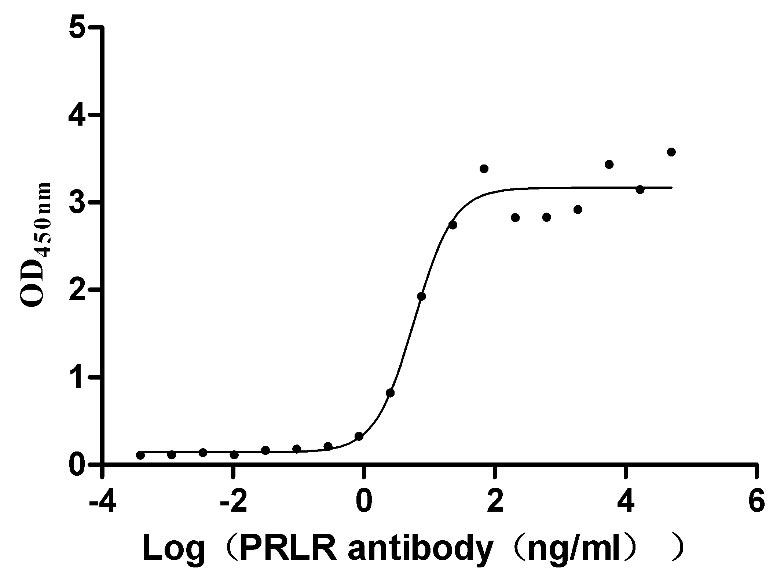
Recombinant Mouse Prolactin receptor (Prlr), partial (Active)
Express system: Mammalian cell
Species: Mus musculus (Mouse)
-
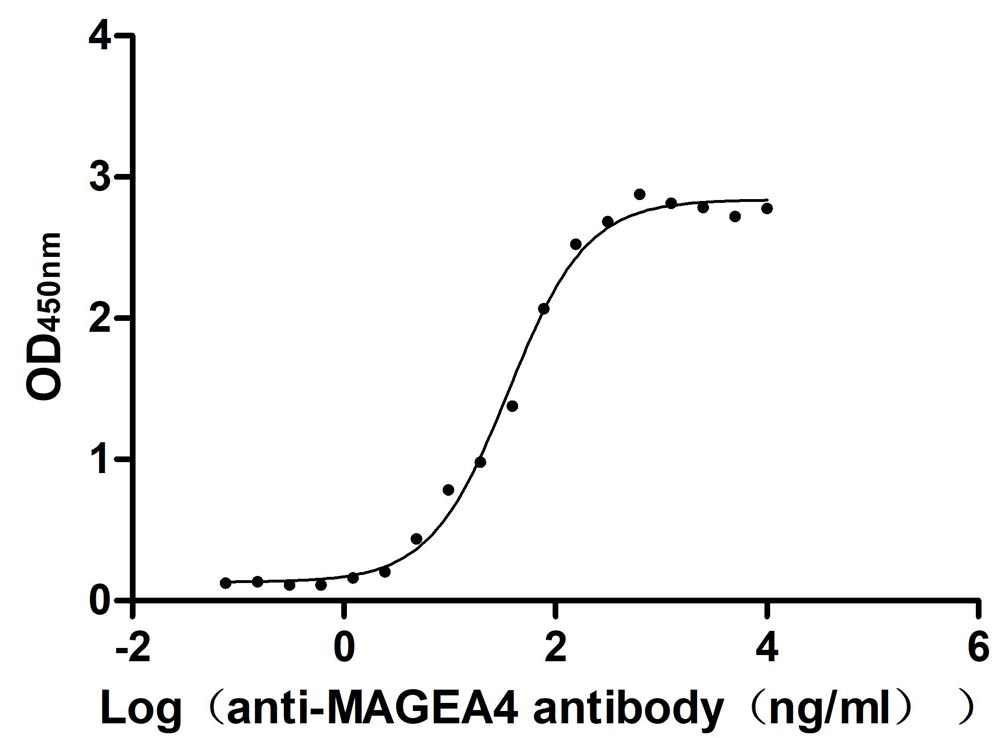
Recombinant Human Melanoma-associated antigen 4 (MAGEA4) (Active)
Express system: Mammalian cell
Species: Homo sapiens (Human)
-
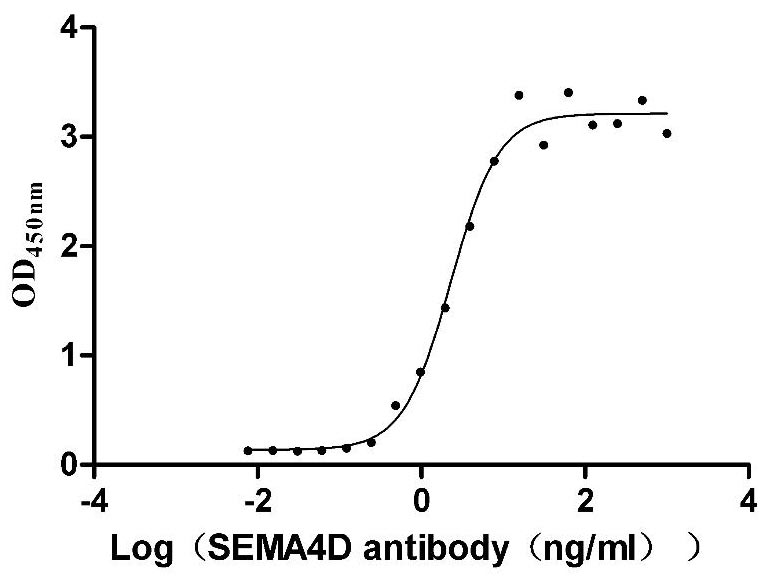
Recombinant Macaca mulatta Semaphorin-4D isoform 1 (SEMA4D), partial (Active)
Express system: Mammalian cell
Species: Macaca mulatta (Rhesus macaque)
-
Recombinant Human Epithelial discoidin domain-containing receptor 1 (DDR1), partial (Active)
Express system: Mammalian cell
Species: Homo sapiens (Human)
-
-AC1.jpg)
Recombinant Mouse Claudin-18.2 (Cldn18.2)-VLPs (Active)
Express system: Mammalian cell
Species: Mus musculus (Mouse)
-
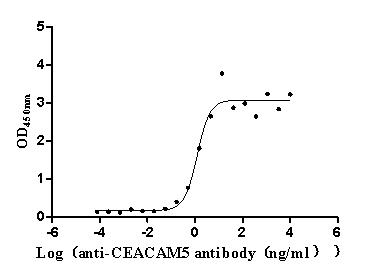
Express system: Mammalian cell
Species: Homo sapiens (Human)
-
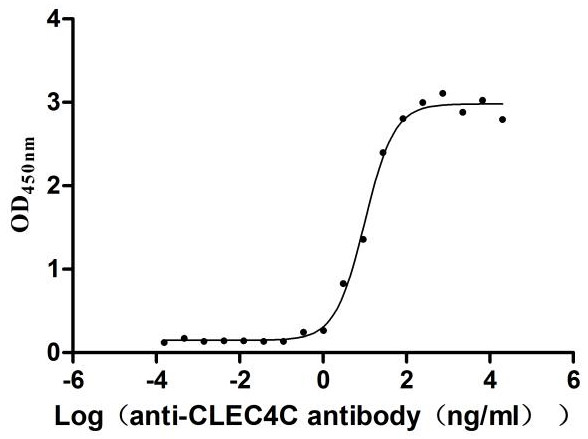
Recombinant Human C-type lectin domain family 4 member C (CLEC4C), partial (Active)
Express system: Mammalian cell
Species: Homo sapiens (Human)
-
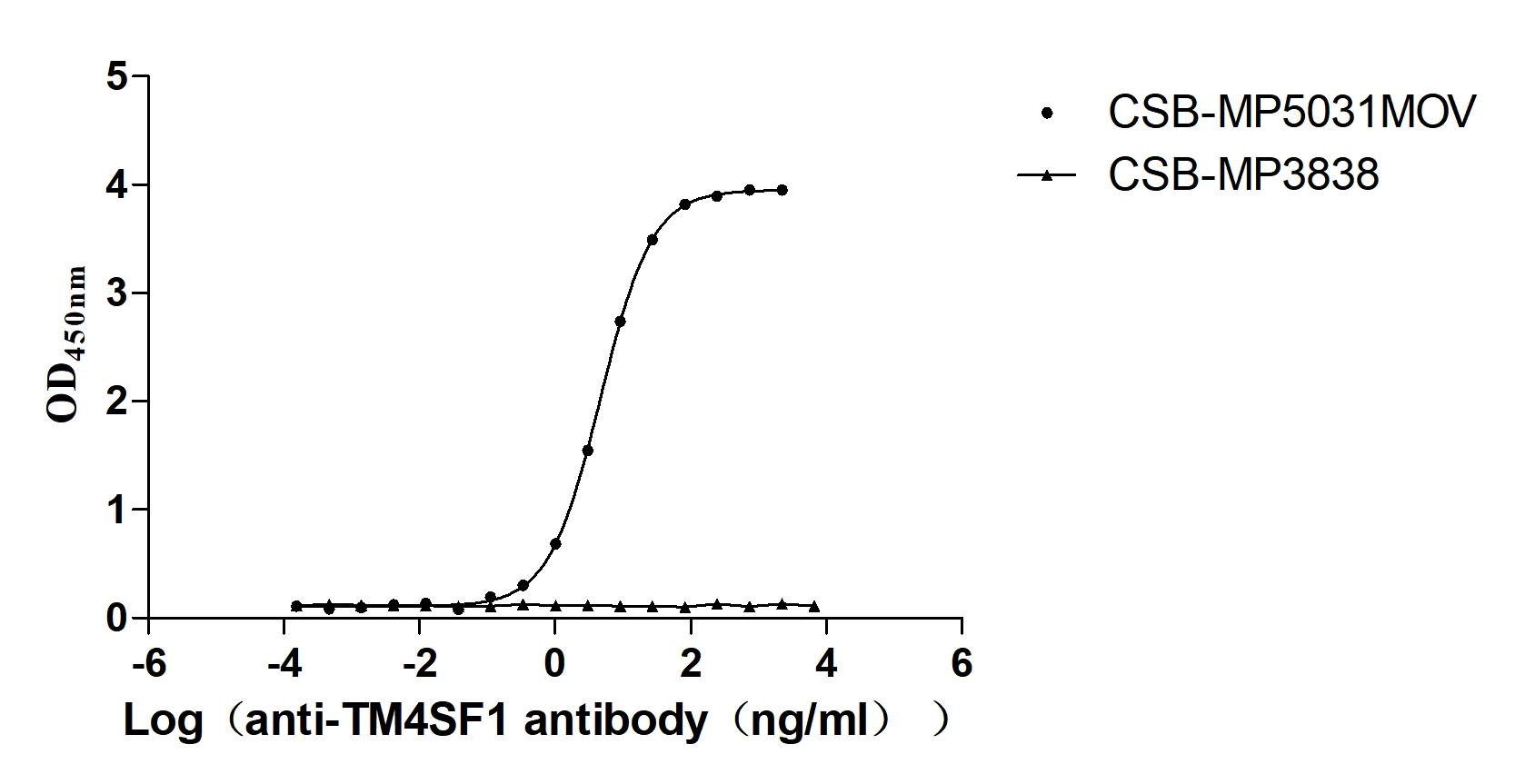
Recombinant Macaca fascicularis Transmembrane 4 L6 family member 1 (TM4SF1)-VLPs (Active)
Express system: Mammalian cell
Species: Macaca fascicularis (Crab-eating macaque) (Cynomolgus monkey)