GPR4 Antibody, HRP conjugated
-
中文名稱:GPR4兔多克隆抗體, HRP偶聯(lián)
-
貨號:CSB-PA009813LB01HU
-
規(guī)格:¥880
-
其他:
產(chǎn)品詳情
-
產(chǎn)品名稱:Rabbit anti-Homo sapiens (Human) GPR4 Polyclonal antibody
-
Uniprot No.:
-
基因名:
-
別名:GPR4; G-protein coupled receptor 4; G-protein coupled receptor 6C.l; GPR6C.l
-
宿主:Rabbit
-
反應(yīng)種屬:Human
-
免疫原:Recombinant Human G-protein coupled receptor 4 protein (285-362AA)
-
免疫原種屬:Homo sapiens (Human)
-
標(biāo)記方式:HRP
-
克隆類型:Polyclonal
-
抗體亞型:IgG
-
純化方式:>95%, Protein G purified
-
濃度:It differs from different batches. Please contact us to confirm it.
-
保存緩沖液:Preservative: 0.03% Proclin 300
Constituents: 50% Glycerol, 0.01M PBS, pH 7.4 -
產(chǎn)品提供形式:Liquid
-
應(yīng)用范圍:ELISA
-
Protocols:
-
儲存條件:Upon receipt, store at -20°C or -80°C. Avoid repeated freeze.
-
貨期:Basically, we can dispatch the products out in 1-3 working days after receiving your orders. Delivery time maybe differs from different purchasing way or location, please kindly consult your local distributors for specific delivery time.
-
用途:For Research Use Only. Not for use in diagnostic or therapeutic procedures.
產(chǎn)品評價(jià)

相關(guān)產(chǎn)品
靶點(diǎn)詳情
-
功能:Proton-sensing G-protein coupled receptor couples to multiple intracellular signaling pathways, including GNAS/cAMP, GNAQ/phospholipase C (PLC), and GNA12/GNA13/Rho pathways. Acidosis-induced GPR4 activation increases paracellular gap formation and permeability of vascular endothelial cells through the GNA12/GNA13/Rho GTPase signaling pathway. In the brain may mediate central respiratory sensitivity to CO(2)H(+).
-
基因功能參考文獻(xiàn):
- Proton-sensing GPR4 signaling mediated the proton-induced inhibitory effects on the osteogenesis of BMSCs. YAP was the downstream effector of GPR4 signaling. Extracellular pH modulates the osteogenic responses of BMSCs by regulating the proton-sensing GPR4-YAP pathway. PMID: 27256071
- These results suggest that zOGR1, but not GPR4, is also a metal-sensing G-protein-coupled receptor in addition to a proton-sensing G-protein-coupled receptor, although not all metals that activate hOGR1 activated zOGR1. PMID: 28270026
- GPR4 blockade attenuated renal injury after IR and reduced the cell apoptosis through the suppression of CHOP expression. PMID: 29089376
- acidosis/GPR4-induced endoplasmic reticulum stress pathways in endothelial cells may regulate vascular growth and inflammatory response in the acidic microenvironment. PMID: 28134810
- it was demonstrated that GPR4 affects ECs by regulating Notch1, a function that may be important for physiological and pathological angiogenesis. PMID: 27279286
- GPR4 induces angiogenesis via GPR4-induced p38-mediated IL6, IL8 and VEGFA secretion at acidic extracellular pH in squamous cell carcinoma of the head and neck PMID: 27078157
- The results suggested that GPR4 may play an important role in the development of epithelial ovarian carcinoma (EOC), and its overexpression might be required for the angiogenesis, tumor growth, and metastasis of EOC PMID: 23888957
- acidosis/GPR4 signaling regulates endothelial cell adhesion mainly through the G(s)/cAMP/Epac pathway PMID: 22110680
- The mutation of histidine residue at 79, 165, or 269 from the N-terminal of GPR4 to phenylalanine shifted the half-maximal effective concentration (EC(50)) of proton-induced signaling activities to the right, including cAMP accumulation. PMID: 20211729
- Endogenous GPR4 in endothelial cells may be a potential G protein-coupled receptor by which LPC signals proinflammatory activities. PMID: 12805023
- GPR4, a close relative of OGR1, also responds to pH changes, but elicits cyclic AMP formation PMID: 12955148
- sphingosylphosphorylcholine and lysophosphatidic acid are not the ligands for GPR4 and that this receptor may constitutively inhibit ERK1/2 activation PMID: 14567679
- GPR4 and TDAG8 overexpression in human tumors plays a role in driving or maintaining tumor formation PMID: 15221007
- results identify sphingosylphosphorylcholine and its receptor, G protein-coupled receptor 4(GPR4), as critical regulators of the angiogenic potential of endothelial cells PMID: 15857892
- GPR4 may play a critical role in the inflammatory responses activated by lysophosphatidylcholine PMID: 16461426
- GPR4 in brain endothelial cells regulates monocyte transmigration. PMID: 17364894
- lysophosphatidylcholine receptor G protein-coupled receptor 4 (GPK4) was expressed in YPEN-1 cells and triggered the cAMP/protein kinase A/cAMP response element-binding protein pathway, resulting in upregulation of adhesion molecules. PMID: 17437524
- Previously postulated "ligand-independent" signaling of GPR4 is mediated through proton-sensing mechanisms. PMID: 17462861
顯示更多
收起更多
-
亞細(xì)胞定位:Cell membrane; Multi-pass membrane protein.
-
蛋白家族:G-protein coupled receptor 1 family
-
數(shù)據(jù)庫鏈接:
Most popular with customers
-

-
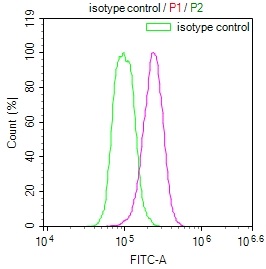
YWHAB Recombinant Monoclonal Antibody
Applications: ELISA, WB, IHC, IF, FC
Species Reactivity: Human, Mouse, Rat
-
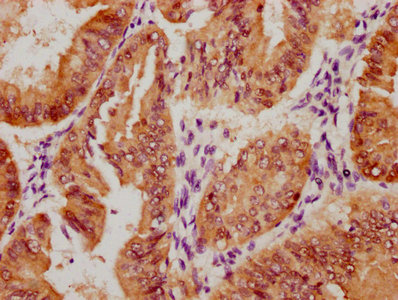
Phospho-YAP1 (S127) Recombinant Monoclonal Antibody
Applications: ELISA, WB, IHC
Species Reactivity: Human
-
-
-
-
-